
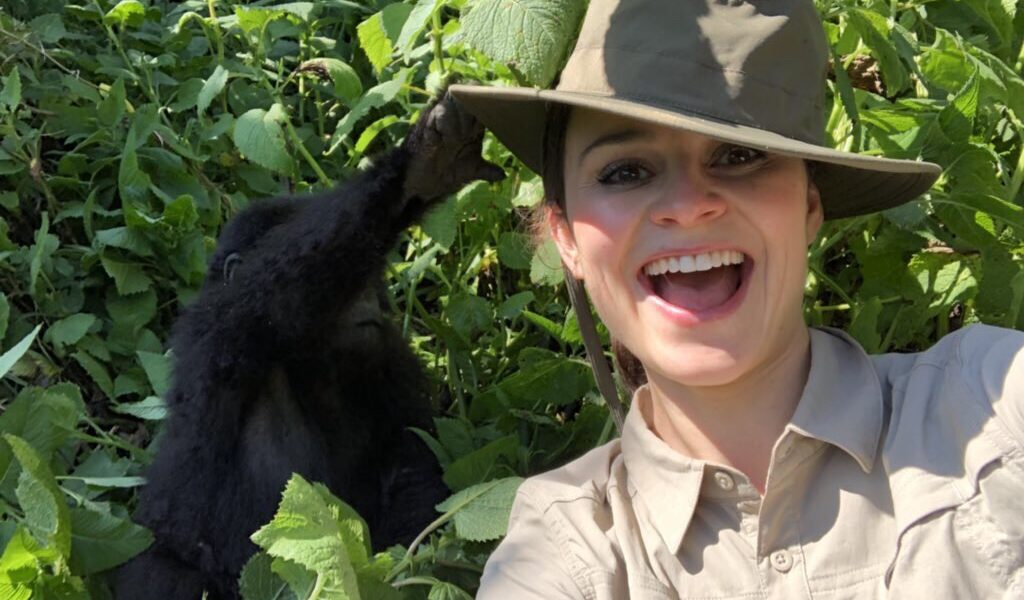
Standing face-to-face with a mountain gorilla in the misty forests of Uganda ranks among the world’s most extraordinary wildlife encounters. Yet for first-time trekkers, the experience can seem daunting. What should you pack? How difficult is the trek? What can you realistically expect? Drawing on insights from seasoned Uganda gorilla tour operators, here’s everything you need to know to make your first gorilla trekking adventure unforgettable.
Understanding the Basics
Gorilla trekking in Uganda takes place primarily in Bwindi Impenetrable National Park and Mgahinga Gorilla National Park, home to roughly half of the world’s remaining mountain gorillas. The experience involves hiking through dense rainforest to locate one of the habituated gorilla families, then spending a precious hour observing them in their natural habitat. Tours are limited to small groups of eight people per gorilla family per day, making advance booking essential.
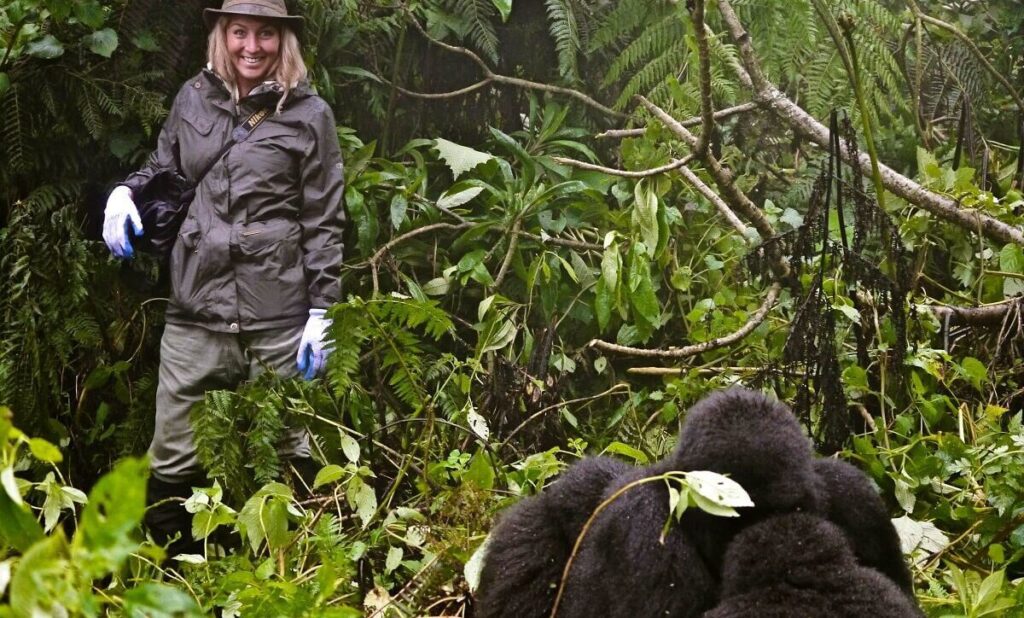
The cost reflects the experience’s exclusivity and conservation value. Gorilla permits in Uganda currently cost $800 per person, significantly less than neighboring Rwanda’s $1,500 permits, making Uganda an attractive option for budget-conscious travelers without compromising the quality of the encounter.
Physical Preparation Matters
Uganda gorilla tours experts emphasize that fitness levels directly impact your enjoyment. While you don’t need to be an athlete, reasonable physical conditioning makes a substantial difference. Treks can last anywhere from one to eight hours depending on where the gorillas are located that day, covering challenging terrain with steep slopes, thick vegetation, and muddy paths.
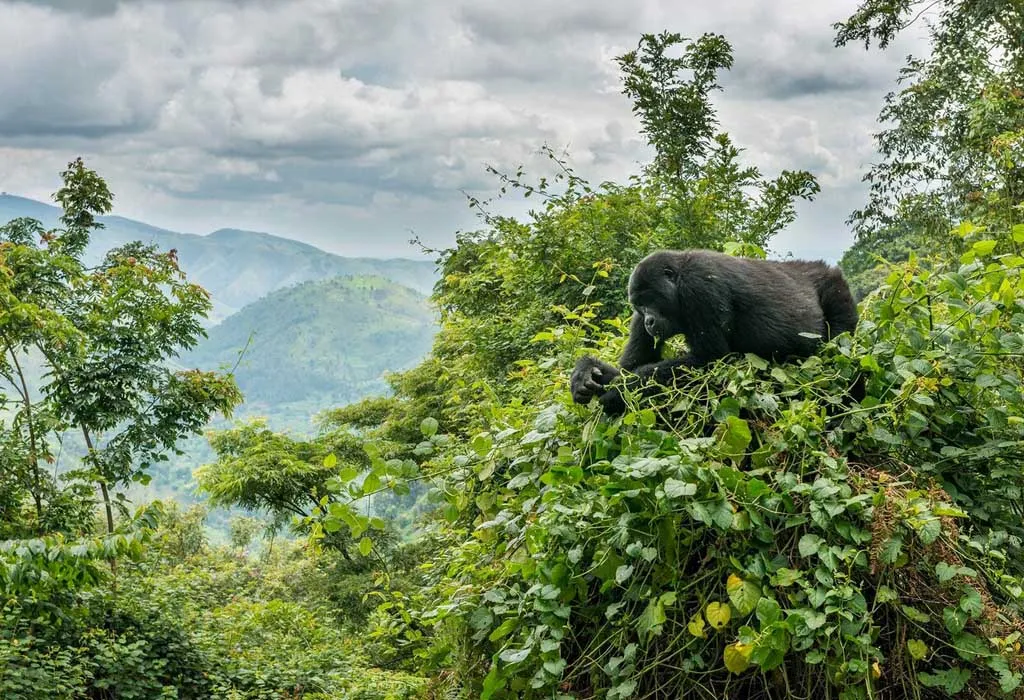
Begin preparing at least six weeks before your trip with regular cardio exercises like hiking, stair climbing, or brisk walking. Focus on building stamina rather than speed. If you have mobility concerns, communicate this when booking. Porters are available to assist with carrying daypacks and even providing physical support during difficult sections, making the trek accessible to a wider range of fitness levels than many people assume.
Packing the Essentials
Experienced guides recommend specific gear that can make or break your trekking experience. Sturdy, broken-in hiking boots with good ankle support are non-negotiable, preferably waterproof given Uganda’s unpredictable weather. Long-sleeved shirts and trousers in neutral colors protect against stinging nettles and insects while helping you blend into the environment.
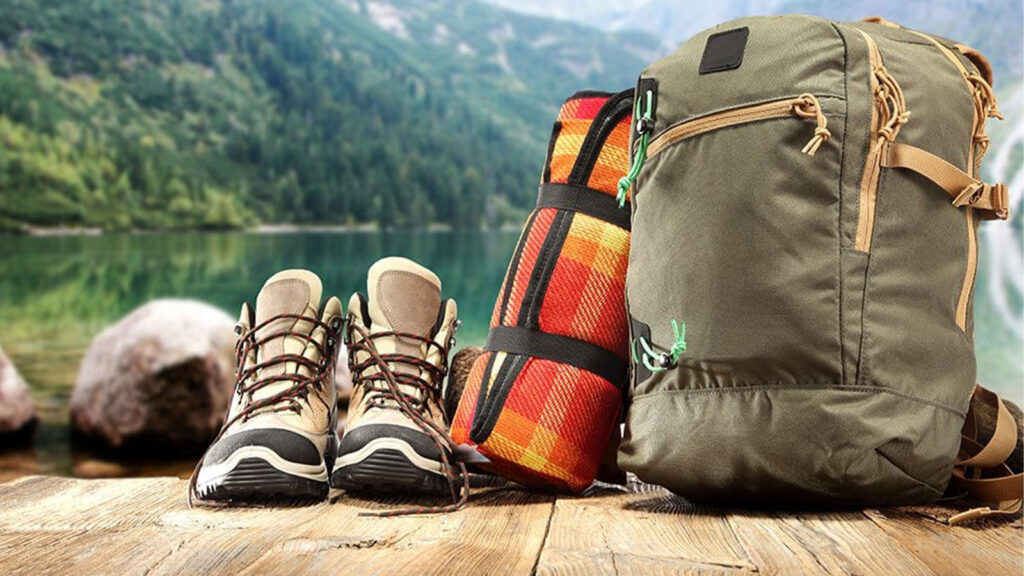
Garden gloves might seem unusual, but they’re invaluable when grabbing vegetation for support on steep sections. A rain jacket is essential year-round, as mountain weather changes rapidly. Bring enough water and energy snacks, though avoid crinkling wrappers that might disturb the gorillas. Most importantly, leave your walking stick at home unless medically necessary, as the guides provide bamboo sticks that are better suited to the terrain.
Health and Safety Protocols
Mountain gorillas share approximately 98% of human DNA, making them susceptible to human diseases. Tour operators enforce strict health protocols. If you’re feeling unwell with even a minor cold, you’ll be asked to reschedule. This isn’t just policy, it’s critical conservation. Maintain a seven-meter distance from the gorillas at all times, though the curious youngsters don’t always cooperate with this rule.
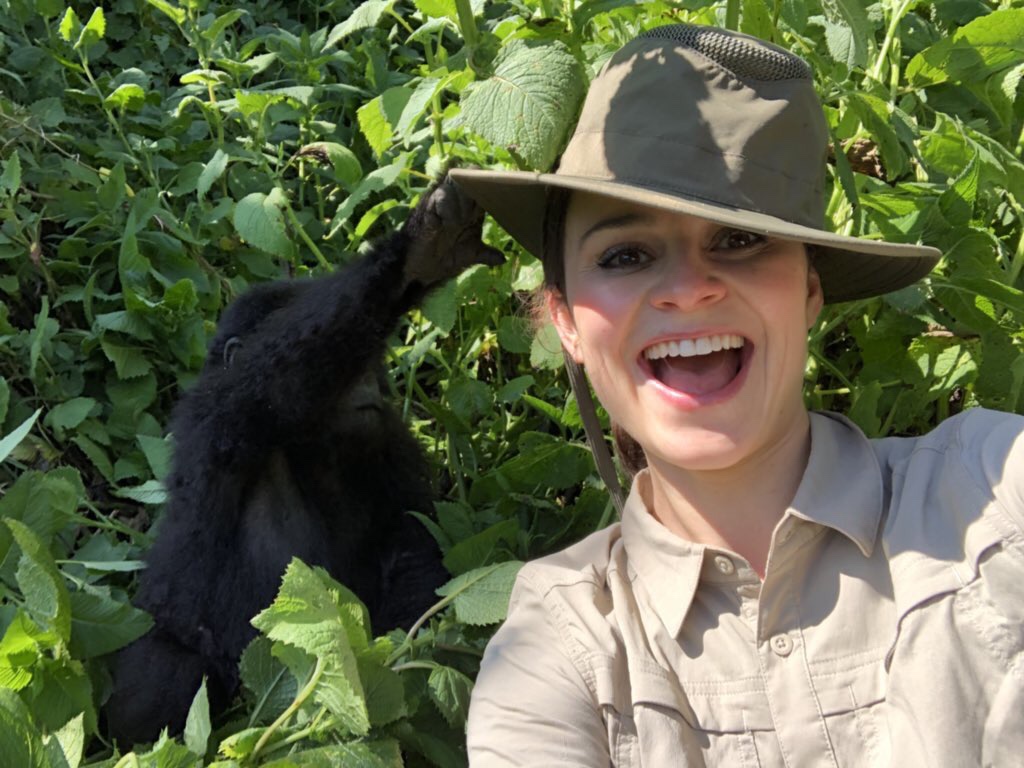
Photography is permitted without flash, but experts suggest arriving with camera settings pre-configured. The forest canopy creates challenging lighting conditions, and you won’t want to fumble with settings during your limited hour. Keep voices low and movements slow. Gorillas are generally peaceful, but sudden movements or loud noises can cause stress.
Managing Expectations
First-time trekkers often wonder what the encounter will actually feel like. Uganda gorilla tour veterans describe it as simultaneously exhilarating and surprisingly peaceful. You might watch a silverback contentedly munching bamboo shoots mere meters away, observe mothers tenderly grooming their infants, or find yourself trying not to laugh as juveniles perform acrobatic displays.
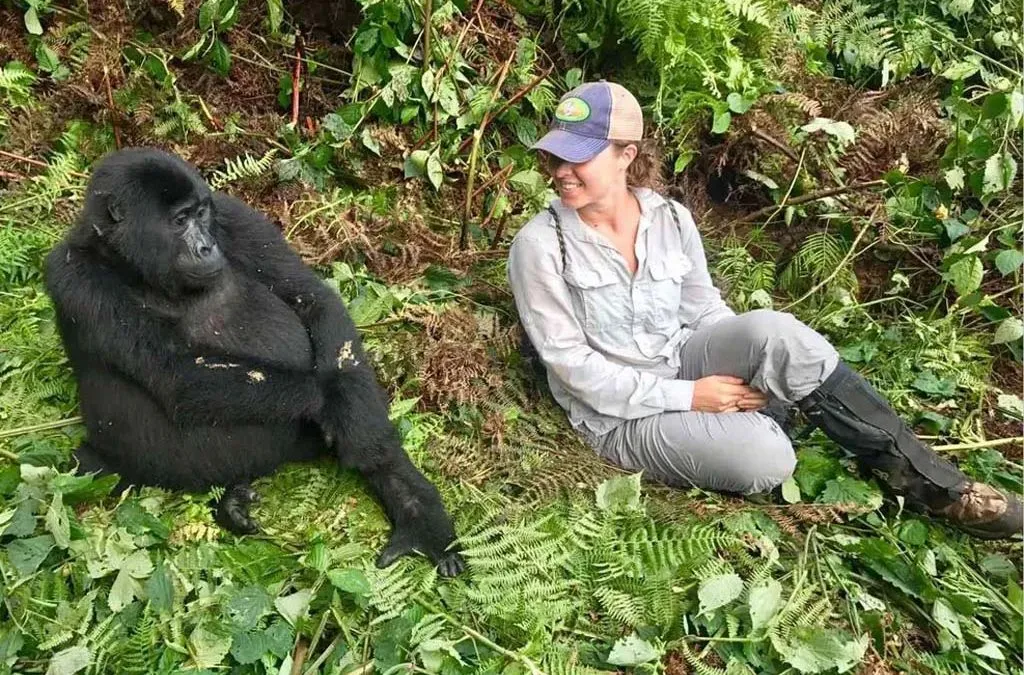
The hour passes remarkably quickly. Some groups are more active than others, and each family has distinct personalities. You might encounter a group moving through the forest or find them resting. Both scenarios offer unique photographic and observational opportunities. Embrace whatever the day brings rather than holding rigid expectations.
Beyond the Trek
Successful gorilla trekking extends beyond the actual hike. Arrive in the trekking region at least a day early to acclimatize to the altitude and recover from travel. Many lodges near Bwindi offer excellent pre-trek briefings and equipment checks. The evening after your trek provides perfect time for processing the experience and reviewing photographs while memories remain fresh.
Consider booking treks for early in your Uganda itinerary. If you fall in love with the experience, some travelers add additional permits for different gorilla families or explore chimpanzee trekking opportunities elsewhere in Uganda.
The Bigger Picture
Your permit fee directly funds gorilla conservation and supports local communities living near the parks. This connection between tourism and conservation has been crucial in increasing mountain gorilla populations. When you trek, you’re participating in one of conservation’s greatest success stories.
First-time gorilla trekking in Uganda combines adventure, wildlife encounter, and meaningful conservation impact. With proper preparation and realistic expectations, you’ll create memories that last a lifetime while contributing to protecting these magnificent creatures for future generations.
To book a gorilla trekking tour in Uganda or Rwanda this season – simply contact us now by sending an email to info@ugandagorillatours.com or calling us on +256-700135510 to speak with the reservations team.