
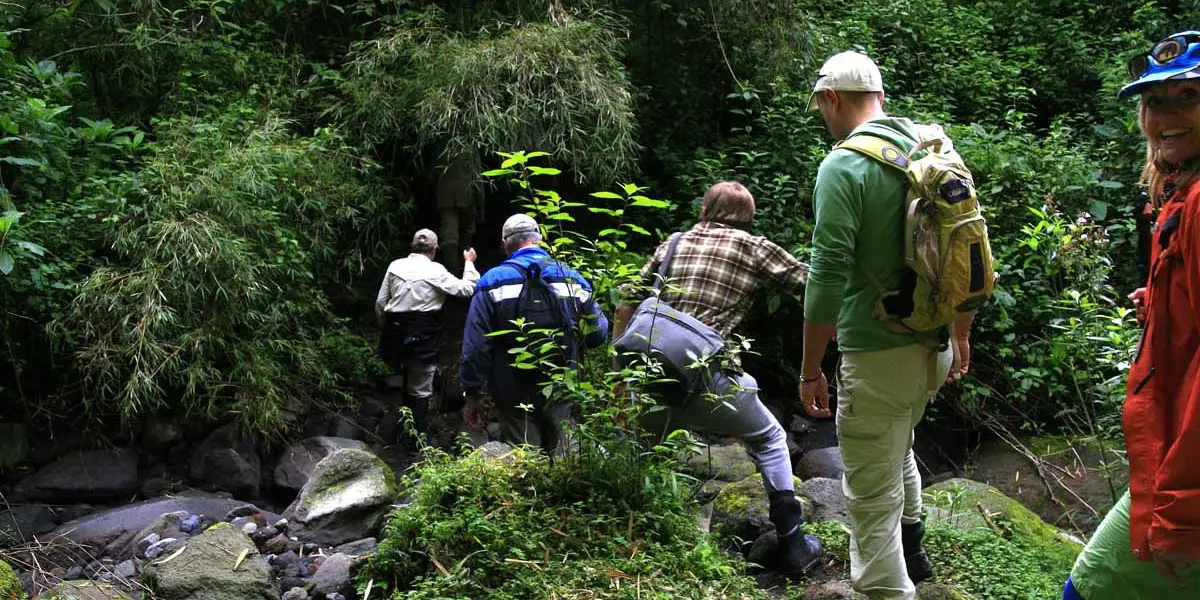
Gorilla trekking in Uganda is one of the most extraordinary wildlife experiences on the planet — a rare chance to come face-to-face with endangered mountain gorillas in their natural rainforest habitat. But before you lace up your boots and book your permit, one question lingers in the minds of most travellers: just how difficult is it?
The honest answer? It depends. Gorilla trekking can range from a moderate two-hour walk to a strenuous six-to-eight-hour expedition through dense, hilly jungle. Here is everything you need to know to set realistic expectations and prepare properly.
The Terrain: Jungle, Hills & Mud
Uganda’s primary gorilla trekking destination is Bwindi Impenetrable National Park — and the name says it all. Bwindi is a thick, ancient rainforest draped across steep, mist-covered hills in southwestern Uganda. The trails are not manicured footpaths; they are raw, uneven tracks that wind through tangled undergrowth, across slippery tree roots, and up muddy hillside slopes.
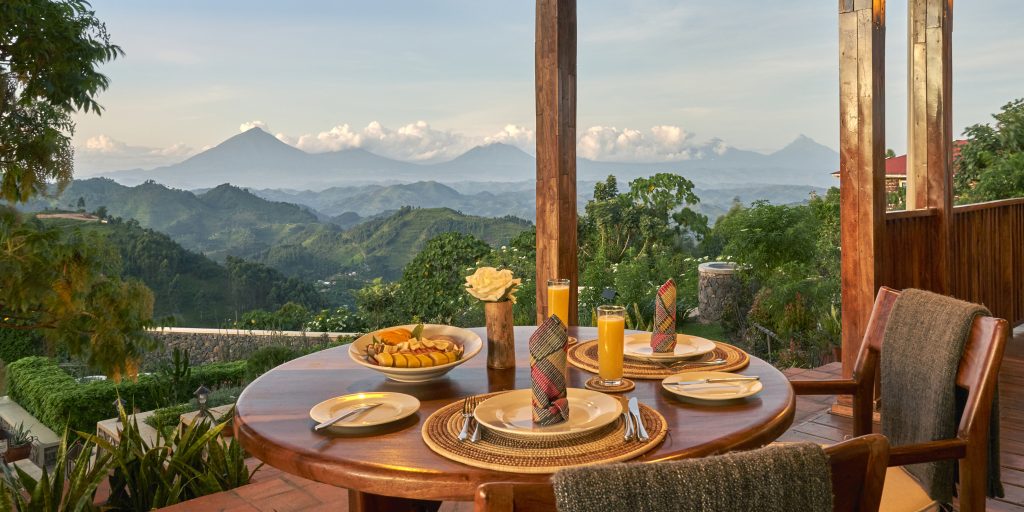
The Rushaga and Nkuringo sectors of Bwindi are widely considered the most challenging — with particularly steep descents that can be hard on the knees, especially on the return trek. The Buhoma and Ruhija sectors tend to be slightly more forgiving, making them a better choice for trekkers with moderate fitness levels.
Mgahinga Gorilla National Park, Uganda’s other gorilla trekking destination, sits on the slopes of the Virunga volcanoes and offers its own unique challenges — the altitude here is higher, and the open terrain means less tree cover, but the trails are generally easier to follow.
How Long Does the Trek Take?
There is no fixed duration. Gorillas are wild animals and move through the forest freely — on some days, a gorilla family may be located just 30 to 60 minutes from the trailhead. On other days, trackers may need to push deep into the forest, turning the trek into a five-to-eight-hour journey.
Once you reach the gorillas, you are allowed exactly one hour in their presence — a rule strictly enforced to protect both the animals and visitors. That hour, however, is worth every step of the journey.
Fitness Level Required
Gorilla trekking does not require you to be an elite athlete, but a reasonable level of physical fitness makes the experience far more enjoyable. You should be comfortable walking uphill on uneven ground for extended periods. If you struggle with moderate hiking or have joint issues, it is worth discussing your options with your tour operator before you travel.
That said, age is not a barrier. Many trekkers in their 60s and 70s complete the experience successfully each year. The key is being honest about your fitness level so guides can assign you to an appropriate gorilla family and sector.
For those with limited mobility, some operators now offer porter-carried sedan chairs on certain routes, allowing trekkers who cannot walk the full trail to still reach the gorillas. This is a wonderful option that ensures nobody misses out.
Weather & Altitude
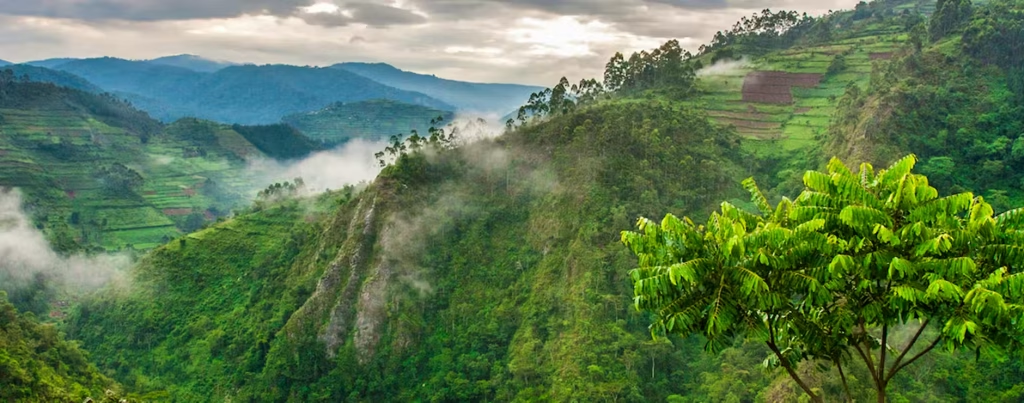
Bwindi sits at elevations between 1,160 and 2,607 metres above sea level. While the altitude is unlikely to cause serious altitude sickness for most visitors, it does make physical exertion noticeably harder — especially if you are coming from a low-lying city.
The weather adds another layer of challenge. Uganda has two rainy seasons (March–May and October–November), during which the trails become slippery and muddy, and rain is almost guaranteed. Even in dry seasons, Bwindi’s forest generates its own micro-climate, meaning sudden downpours are always possible. Dressing in layers and carrying a waterproof jacket is non-negotiable.
What to Wear & Bring
Proper preparation dramatically reduces the difficulty of the trek. Experienced trekkers recommend:
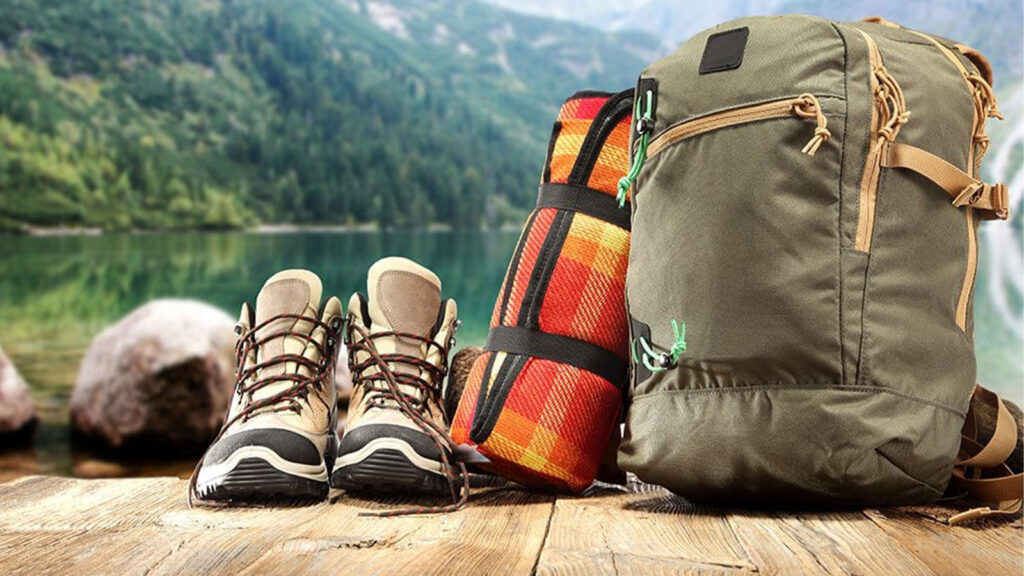
- Sturdy, ankle-supporting hiking boots — ideally waterproof
- Long-sleeved shirts and long trousers to protect against stinging nettles, insects, and branches
- Gardening-style gloves for gripping vegetation on steep sections
- A rain poncho or waterproof jacket
- At least 2 litres of water and energy snacks
- Insect repellent and sunscreen
Hiring a local porter is one of the best decisions you can make. For a modest fee, a porter will carry your bag, help you over difficult terrain, and offer a steady hand on steep sections. It is also a meaningful way to support the local community economically.
The Reward Far Outweighs the Challenge
Yes, gorilla trekking in Uganda can be physically demanding. The forest is steep, the mud is real, and the sun (or rain) will test your resolve. But the moment you push through a thicket of vegetation and find yourself just a few metres from a massive silverback — calm, watchful, utterly wild — every ounce of effort dissolves instantly.
This is not a theme park encounter. It is raw, humbling, and profoundly moving. Travellers consistently describe it as one of the most powerful experiences of their lives.
With the right preparation, a good operator, and a willing spirit, gorilla trekking in Uganda is accessible to most reasonably fit adults. The mountain gorillas are waiting — and they are absolutely worth the climb.
Ready to plan your gorilla trekking adventure? Contact Uganda Gorilla Tours today and let our expert team match you with the perfect trekking experience across Uganda, Rwanda, and Congo. You can alternatively email directly to info@ugandagorillatours.com or call us on +256-700135510.