
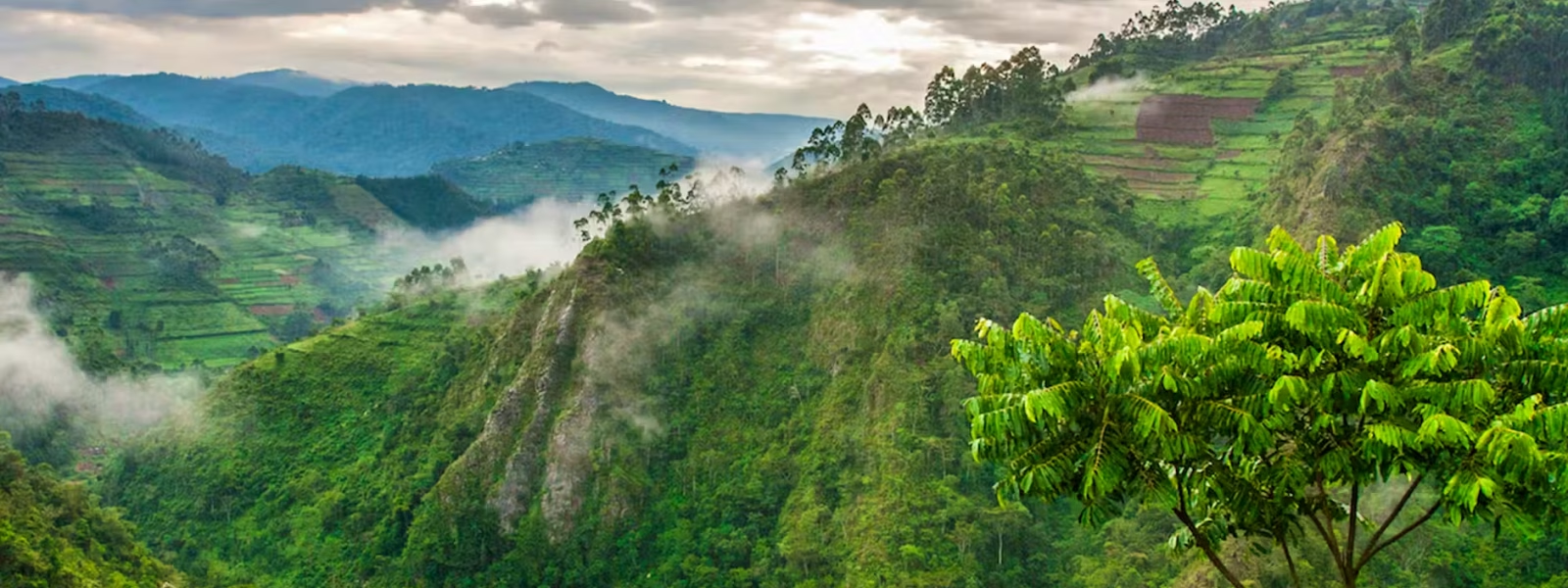
Uganda is one of only three countries in the world where you can trek to see wild mountain gorillas in their natural habitat, and it is widely regarded as the best destination to do so. With nearly half of the world’s entire mountain gorilla population living within its borders, Uganda offers an unmatched gorilla trekking experience set against some of Africa’s most dramatic highland scenery. But not all gorilla trekking trails are the same. The terrain, the gorilla families you visit, the duration of the trek, and the surrounding environment all vary considerably depending on where you go.
Whether you are a seasoned safari traveller or embarking on your very first African adventure, understanding the different trekking trails available will help you choose the experience that best suits your fitness level, interests, and travel style. Here is a detailed look at the top five gorilla trekking trails in Uganda.
1. Buhoma Sector – Bwindi Impenetrable National Park
Buhoma is the oldest and most established gorilla trekking sector in Uganda, located on the northern edge of Bwindi Impenetrable National Park. It was the first area in Uganda to be opened for gorilla trekking and remains one of the most popular entry points into the park, largely because of its relatively accessible location and well-developed tourist infrastructure.
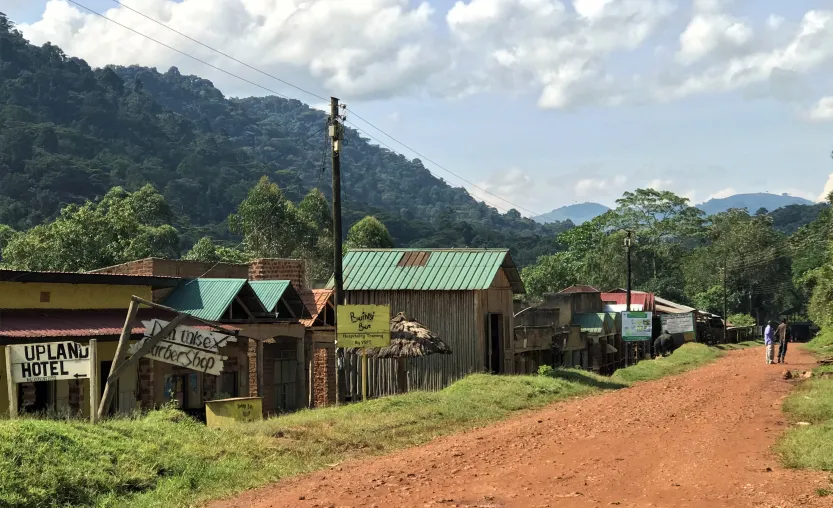
The trekking trails in Buhoma wind through dense, ancient rainforest that lives up to the park’s “impenetrable” name. The terrain is hilly and can be steep in places, but the trails are reasonably well maintained and suitable for most moderately fit travellers. Treks from Buhoma typically last between two and six hours depending on where the gorilla families are located on any given day.
Buhoma is currently home to several habituated gorilla families including the famous Mubare group — the first gorilla family ever habituated for tourism in Uganda. The sector also serves as the starting point for the excellent Buhoma Community Walk, which takes visitors through local villages and introduces them to the culture of the communities living alongside the park. For travellers who want a well-rounded experience combining gorilla trekking with community tourism, Buhoma is hard to beat.
2. Rushaga Sector – Bwindi Impenetrable National Park
Located in the southern part of Bwindi, Rushaga is the sector with the highest concentration of habituated gorilla families in the entire park. This alone makes it an exceptional choice for gorilla trekkers, as it offers far more permit slots per day than any other sector and significantly increases the variety of gorilla groups you might encounter.
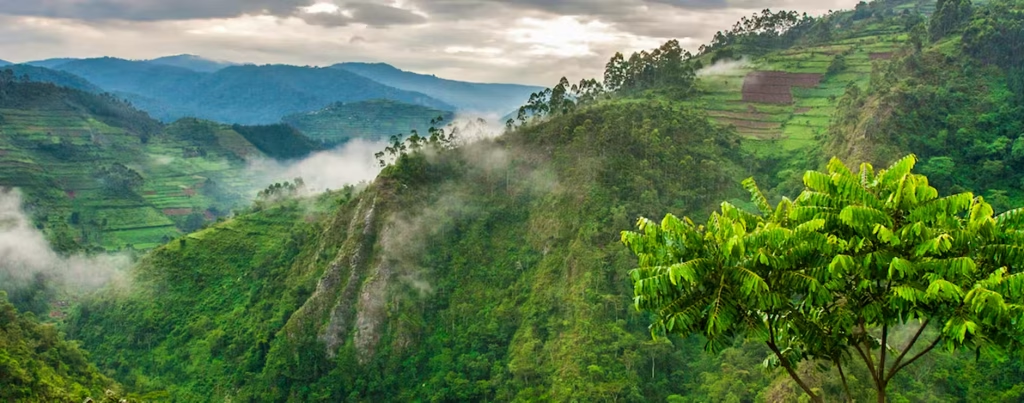
Rushaga is also the only sector in Uganda where you can book a gorilla habituation experience — a unique and extended four-hour encounter with a gorilla family that is still going through the habituation process. Unlike standard gorilla trekking which allows just one hour with a fully habituated family, the habituation experience gives you a far deeper and more intimate window into gorilla behaviour and social dynamics. It is one of the most extraordinary wildlife experiences available anywhere in Africa.
The trails in Rushaga vary in difficulty. Some lead through relatively open forest while others descend into steep valleys and dense vegetation that will test even experienced hikers. The sector’s remote southern location means it tends to attract slightly fewer visitors than Buhoma, giving it a quieter and more exclusive atmosphere.
3. Ruhija Sector – Bwindi Impenetrable National Park
Ruhija sits at the highest altitude of all four sectors in Bwindi, perched in the eastern part of the park at an elevation that brings cooler temperatures and frequent mist rolling through the treetops. This high-altitude setting makes Ruhija one of the most visually dramatic places to go gorilla trekking in Uganda, even if the cooler, damper conditions are not for everyone.
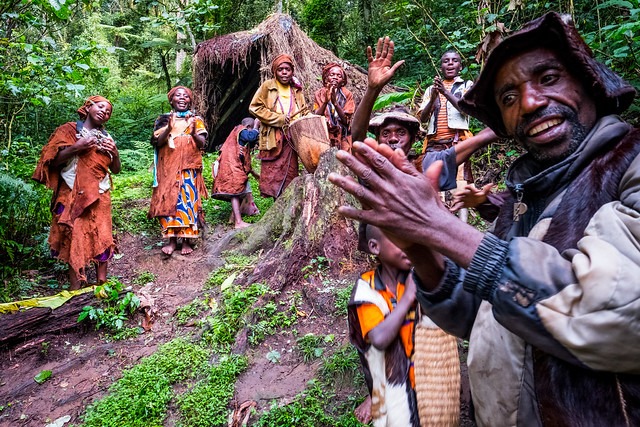
The trails in Ruhija are considered among the most challenging in Bwindi. The terrain is steep, the forest is dense, and the gorilla families here tend to roam across particularly rugged ground. As a result, Ruhija is best suited to physically fit travellers who are comfortable with demanding hikes and unpredictable conditions. However, for those willing to take on the challenge, the reward is extraordinary — both in terms of the gorilla encounter itself and the spectacular montane forest scenery along the way.
Ruhija is also a paradise for birdwatchers. The sector sits within one of Africa’s most important bird areas and is home to several Albertine Rift endemic species that are extremely difficult to spot anywhere else in the world. Many travellers combine their gorilla trek in Ruhija with a dedicated birding walk, making the most of this remarkable biodiversity.
4. Nkuringo Sector – Bwindi Impenetrable National Park
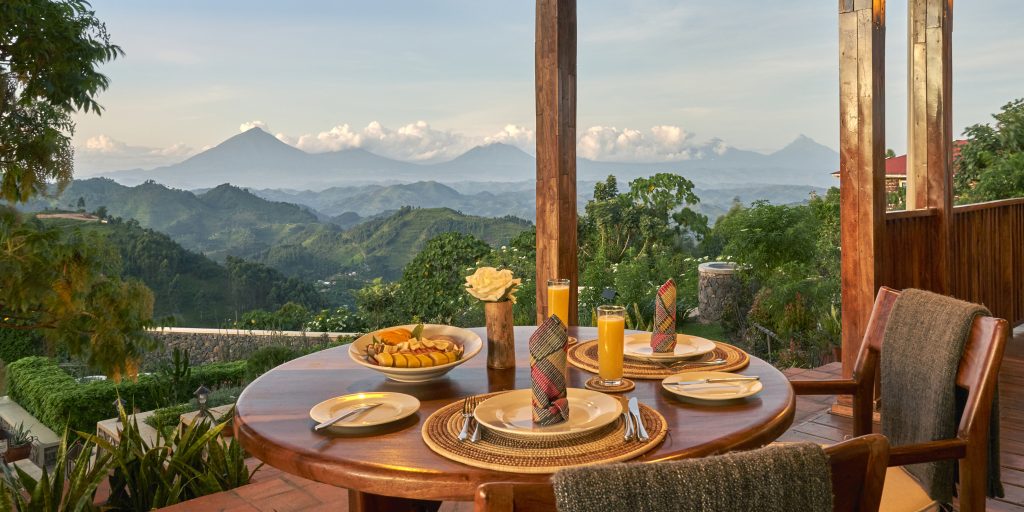
Nkuringo is situated on the southwestern edge of Bwindi and offers what many experienced trekkers consider the most physically demanding — and most rewarding — gorilla trekking experience in the entire park. The sector takes its name from the Nkuringo gorilla family, one of the first groups to be habituated in this part of the park, and it sits on a ridge that offers breathtaking panoramic views across the Virunga volcanoes straddling the borders of Uganda, Rwanda, and the Democratic Republic of Congo.
The descent into the forest from the Nkuringo starting point is famously steep, and the return climb back up at the end of the trek is the part that most visitors remember with a mixture of pride and exhaustion. Porters are strongly recommended here and are available to hire at the trailhead — they will carry your bag, steady you on the slippery sections, and make the entire experience considerably more manageable.
Despite its demanding nature, Nkuringo rewards trekkers with an incredibly immersive forest experience and a gorilla encounter set in some of the most remote and untouched terrain in Bwindi. The sector is also close to the Nkuringo community area, where several excellent lodges have been built in partnership with local communities, making it a wonderful choice for travellers who want their visit to directly benefit the people living alongside the park.
5. Mgahinga Gorilla National Park
Uganda’s second gorilla trekking destination is Mgahinga Gorilla National Park, a smaller but extraordinarily beautiful park located further west along the border with Rwanda and the DRC, in the heart of the Virunga volcanic mountain range. Mgahinga is home to the Nyakagezi gorilla family — a large, lively, and well-habituated group that has become one of the most popular gorilla families in Uganda.
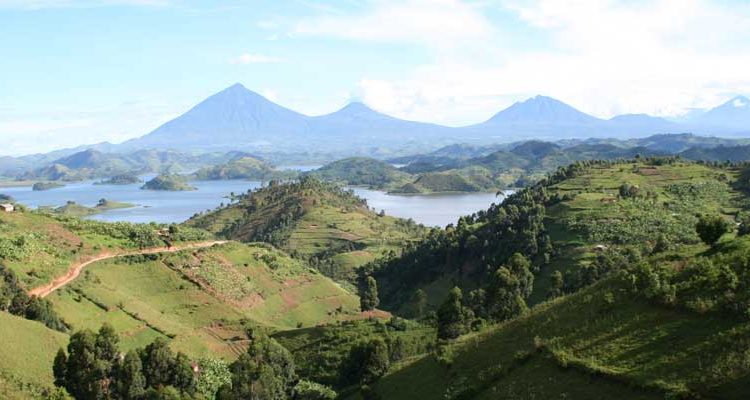
What makes Mgahinga unique is its stunning volcanic landscape. The trekking here takes place on and around the slopes of three ancient volcanoes — Mount Gahinga, Mount Sabyinyo, and Mount Muhavura — giving the experience a completely different character compared to the dense rainforest treks of Bwindi. The open volcanic slopes and bamboo forest zones make for a visually dramatic backdrop and, on clear days, the views across the Virunga range into Rwanda and the DRC are simply breathtaking.
One important consideration for Mgahinga is that the Nyakagezi family has historically been known to cross the border into Rwanda, which in the past occasionally resulted in permit holders arriving to find the gorillas had temporarily left Ugandan territory. This has become far less of an issue in recent years as the family has settled more consistently within the park, but it is worth being aware of when planning your visit. Mgahinga also offers the Golden Monkey trek — a fast-paced, playful primate encounter that serves as a wonderful complement to the gorilla trekking experience.
Essential Tips Before You Trek
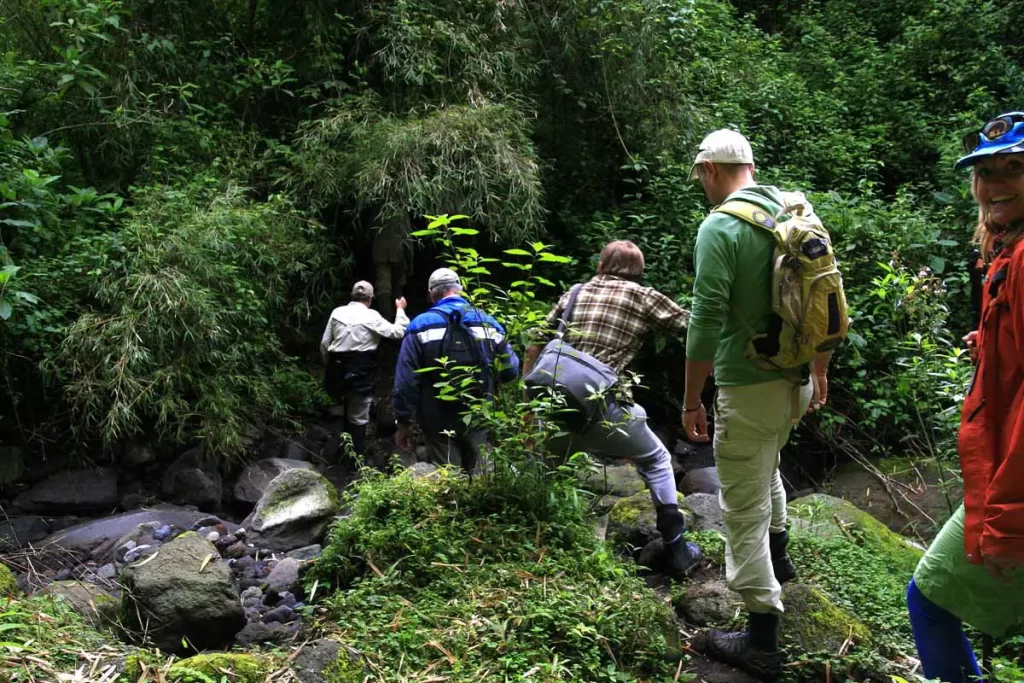
Regardless of which trail you choose, there are a few things every gorilla trekker in Uganda should know before they set off. Gorilla permits cost USD 800 per person and must be booked well in advance through the Uganda Wildlife Authority — during peak seasons they sell out months ahead. You must be at least 15 years old to participate in a gorilla trek, and anyone showing symptoms of illness, particularly respiratory infections, will not be permitted to trek in order to protect the gorillas from human-transmitted disease.
A good level of physical fitness is recommended for all trails, though porters are available at every sector to assist with bags and provide support on difficult terrain. Sturdy waterproof hiking boots, long-sleeved clothing, gardening gloves for gripping vegetation, and a reliable waterproof jacket are all essential items to pack regardless of the weather forecast.
Final Thoughts
Uganda’s gorilla trekking trails offer something for every kind of traveller — from the well-trodden paths of Buhoma to the volcanic grandeur of Mgahinga and the raw, demanding terrain of Nkuringo. Whichever trail you choose, the moment you sit quietly in the forest and lock eyes with a wild mountain gorilla is one you will carry with you for the rest of your life. Plan carefully, book your permits early, choose the right vehicle for the journey, and prepare yourself for one of the greatest wildlife encounters on earth.
To book or inquire about gorilla trekking safari in Bwindi forest or Mgahinga ranges, simply contact us now by sending an email to info@ugandagorillatours.com or call us on +256-700135510.