
Your Complete Budget Travel Guide for 2026/27
Uganda is one of the most rewarding travel destinations in Africa — a country of extraordinary biodiversity, warm and welcoming people, and wildlife experiences that rival anything on the continent. It is also a destination where your travel budget, whether modest or generous, can be stretched in ways that simply are not possible in neighbouring Rwanda or many Southern African safari countries.
That said, Uganda travel costs are not always straightforward to calculate. Between gorilla permits, accommodation, transport, park fees, and daily expenses, the numbers can vary enormously depending on the type of traveller you are and the experiences you prioritise. This guide breaks down every major cost category so you can plan your Uganda safari budget with confidence and without surprises.
The Single Biggest Cost: Your Gorilla Permit
Before anything else, let us address the largest single expense in any Uganda safari budget — the gorilla trekking permit.
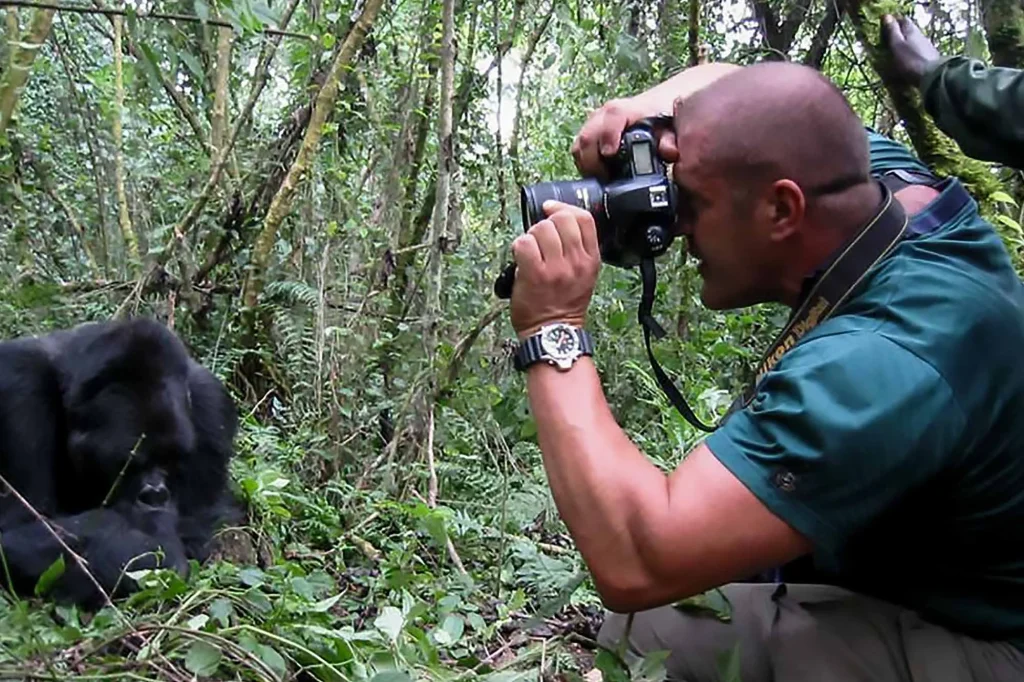
A Uganda gorilla permit costs USD 800 per person, issued by Uganda Wildlife Authority. This is non-negotiable, non-refundable, and must be secured before your trek. It covers your one-hour encounter with a habituated mountain gorilla family in either Bwindi Impenetrable National Park or Mgahinga Gorilla National Park.
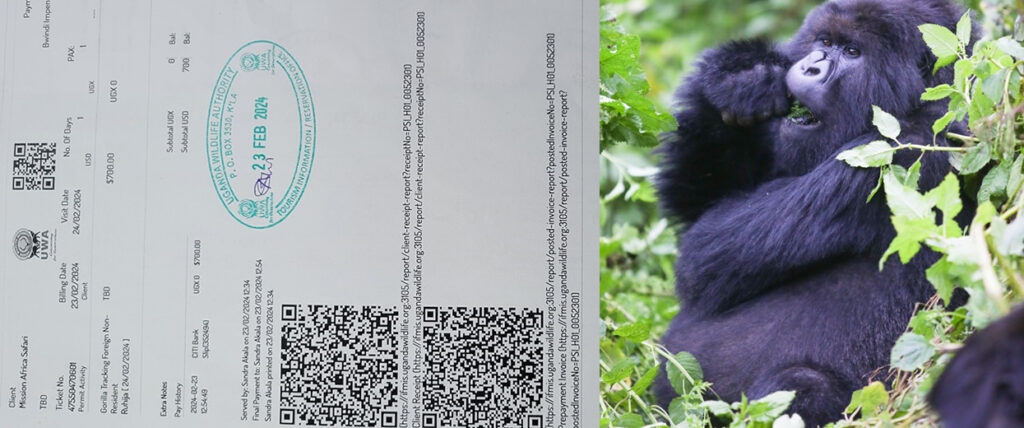
For many visitors, the gorilla permit feels like a significant outlay — and it is. But it is worth putting it in perspective. Rwanda charges USD 1,500 for the same experience. Uganda’s USD 800 permit also contributes directly to gorilla conservation, park management, ranger salaries, and community development programmes that give local people a stake in protecting gorilla habitat. When you buy a Uganda gorilla permit, you are funding one of the most successful conservation stories in modern wildlife history.
If gorilla trekking is the centrepiece of your Uganda trip — and for most visitors it is — budget USD 800 per person for your permit before you calculate anything else.
Flights to Uganda
International flights to Uganda arrive at Entebbe International Airport (EBB), located approximately 40 kilometres south of Kampala on the shores of Lake Victoria.
Flight costs vary significantly depending on your departure country, how far in advance you book, and the time of year. Here are approximate one-way flight ranges to give you a planning baseline:
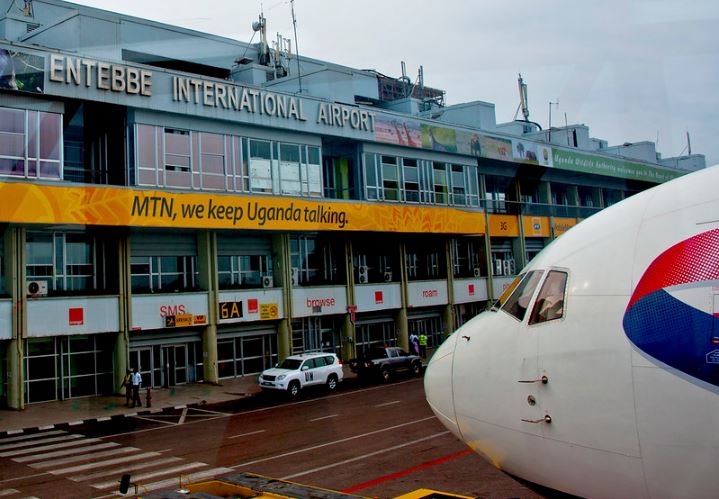
From the United Kingdom: USD 500 – USD 900 return Major carriers including KLM, Ethiopian Airlines, Kenya Airways, and Turkish Airlines serve Entebbe from London Heathrow, typically via Amsterdam, Addis Ababa, Nairobi, or Istanbul. Flight times range from 9 to 13 hours depending on the routing and layover duration.
From the United States: USD 900 – USD 1,600 return There are no direct flights from the US to Uganda. Most routings go via European or Middle Eastern hubs — Amsterdam, London, Dubai, Addis Ababa, or Doha. Total journey times can range from 16 to 22 hours.
From Europe (other than UK): USD 500 – USD 1,000 return KLM from Amsterdam, Lufthansa via Frankfurt, and Ethiopian Airlines from multiple European cities all serve Entebbe with competitive fares.
From South Africa: USD 400 – USD 700 return South African Airways and Kenya Airways both serve Entebbe from Johannesburg, with flight times of around 4 to 5 hours.
From Kenya (Nairobi): USD 150 – USD 350 return Kenya Airways and other regional carriers operate frequent short-haul flights between Nairobi’s JKIA and Entebbe.
From Rwanda (Kigali): USD 100 – USD 250 return Many gorilla trekking visitors choose to fly into Kigali and drive to Uganda rather than flying directly to Entebbe, particularly if they are combining gorilla trekking in both countries.
Pro tip: Book flights at least 3 to 4 months in advance for the best fares. Prices spike significantly during peak gorilla trekking season — June to August and December to February.
Internal Flights Within Uganda
Uganda has a network of small airstrips connecting Entebbe to major wildlife destinations. Internal charter flights are operated by companies such as Aerolink Uganda and Bar Aviation and are a popular option for visitors who want to minimise road travel time.
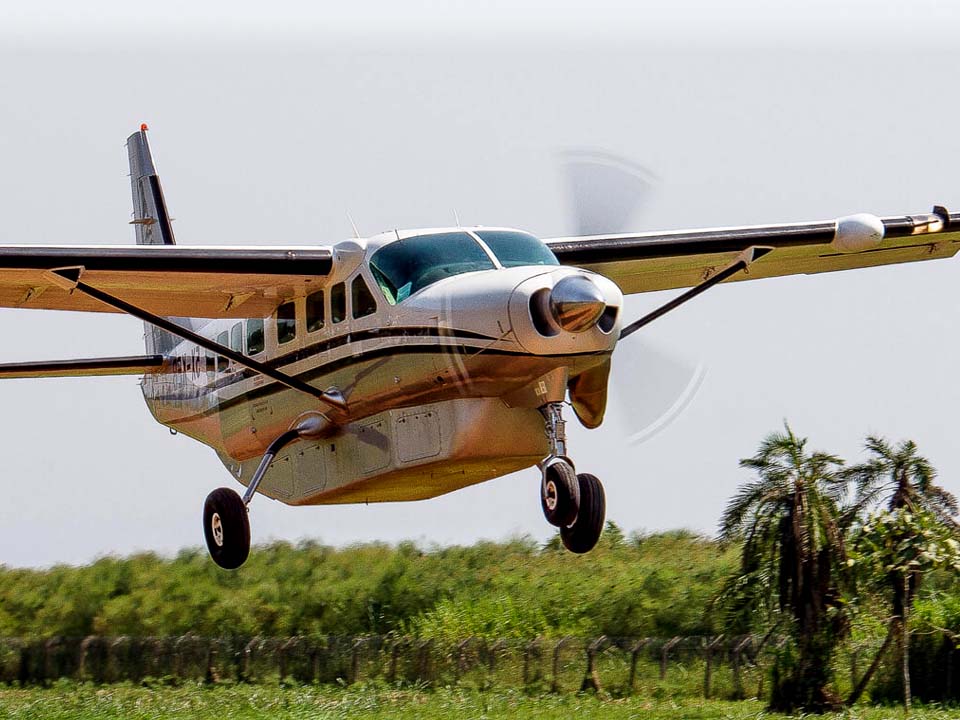
Key internal flight routes and approximate costs:
- Entebbe to Kihihi Airstrip (closest to Bwindi/Buhoma): USD 200 – USD 450 per person one-way
- Entebbe to Kisoro Airstrip (closest to Bwindi southern sectors): USD 200 – USD 450 per person one-way
- Entebbe to Kasese (Queen Elizabeth National Park): USD 180 – USD 380 per person one-way
- Entebbe to Kibale Forest: USD 200 – USD 400 per person one-way
Internal flights are not essential — most visitors travel by road — but they save significant time and are particularly popular on longer itineraries covering multiple parks. Luggage limits on charter flights are strict at around 15 kg per person in a soft-sided bag.
Ground Transport Costs in Uganda
For most visitors, road transport is the primary way of getting around Uganda. The country has improved its road infrastructure significantly in recent years, though some routes — particularly the last stretches into Bwindi — remain unpaved and require a 4WD vehicle.
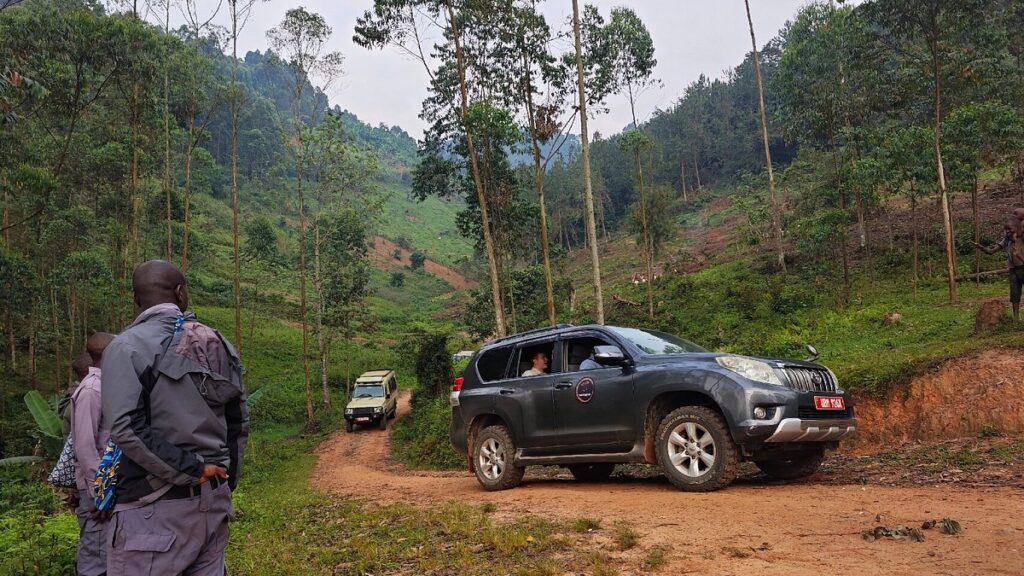
Private 4WD Safari Vehicle with Driver-Guide This is the standard transport option for gorilla trekking safaris in Uganda. A private 4WD Land Cruiser or similar vehicle with an experienced driver-guide costs approximately:
- USD 120 – USD 200 per day for a private vehicle (including fuel and driver)
- A full Uganda safari of 7 to 10 days typically involves 5 to 8 driving days, putting vehicle costs at roughly USD 600 – USD 1,600 for the transport portion of your trip
When you book a complete safari package through Uganda Gorilla Tours, vehicle and driver costs are included in your package price.
Kampala to Bwindi by Road The drive from Kampala to Bwindi takes 8 to 10 hours. In a private hired vehicle, expect to pay USD 150 – USD 250 for the one-way transfer. Many visitors break this into two days with an overnight stop in Mbarara or Kabale.
Kigali to Bwindi by Road For visitors entering via Rwanda, the drive from Kigali to Bwindi’s southern sectors takes 4 to 5 hours. Cross-border transfers in a private vehicle cost approximately USD 120 – USD 200 one-way.
Boda Bodas and Taxis For local travel within Kampala or small towns, boda bodas (motorcycle taxis) charge UGX 2,000 – UGX 10,000 (USD 0.50 – USD 2.50) for short rides. Shared minibus taxis (matatus) are the cheapest way to travel between towns but are not recommended for safari itineraries due to comfort and reliability concerns.
Accommodation Costs in Uganda
Uganda offers accommodation across every price point — from basic guesthouses charging a few dollars a night to extraordinary luxury lodges perched above the Bwindi forest commanding USD 1,000 or more per person per night. Here is a breakdown by category:
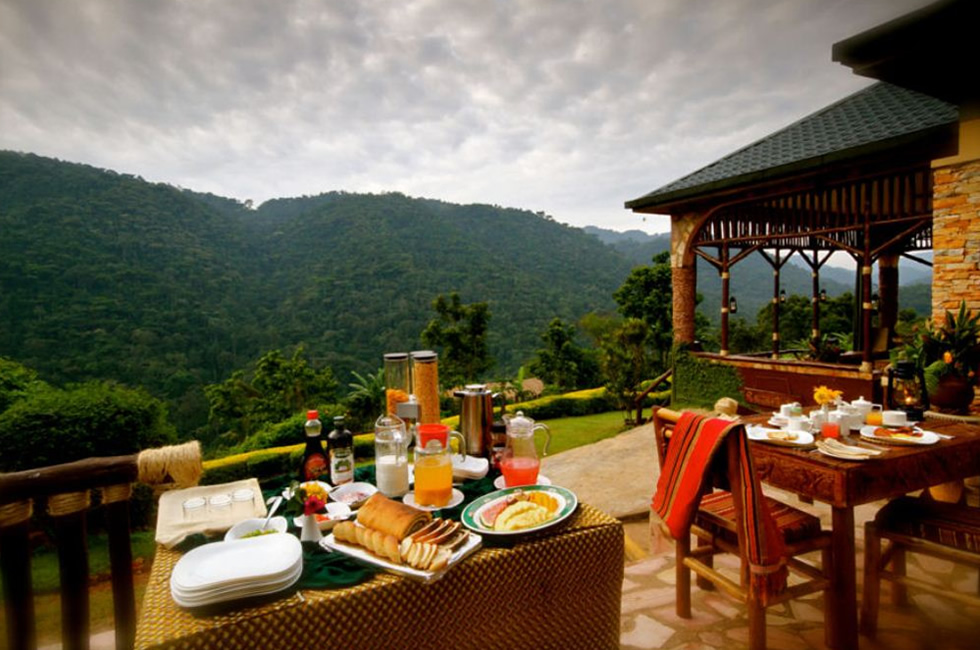
Budget Accommodation (USD 20 – USD 80 per person per night)
Uganda has a growing range of affordable guesthouses, hostels, and simple lodges, particularly in Kampala, Entebbe, and towns near major national parks. Near Bwindi, budget options include community guesthouses and basic banda (traditional hut) accommodation that offer a genuine and immersive local experience.
What to expect at this price point: clean, simple rooms with basic amenities, shared or en-suite bathrooms, and usually breakfast included. Do not expect hot water, reliable Wi-Fi, or consistent electricity in all locations.
Good budget options near Bwindi include Buhoma Community Rest Camp and various small guesthouses in Butogota and Ruhija.
Mid-Range Accommodation (USD 80 – USD 300 per person per night)
The mid-range category in Uganda offers excellent value and is where the majority of gorilla trekking visitors choose to stay. At this price point, you get comfortable, well-appointed rooms or cottages, good food, attentive service, and in many cases spectacular views of the forest or surrounding hills.
Popular mid-range lodges near Bwindi include:
Buhoma Lodge — a charming and well-regarded lodge at the park’s Buhoma entrance with comfortable bandas and a warm atmosphere. Approximately USD 150 – USD 250 per person per night, full board.
Gorilla Safari Lodge (Buhoma) — solid mid-range option with good facilities and helpful staff. Approximately USD 130 – USD 220 per person per night.
Rushaga Gorilla Haven Lodge — a comfortable lodge near the Rushaga sector, popular with mid-range travellers. Approximately USD 100 – USD 180 per person per night.
Mid-range lodges near other Uganda parks — Queen Elizabeth, Kibale, Murchison Falls — follow similar pricing, ranging from USD 80 to USD 250 per person per night on a full-board basis.
Luxury Accommodation (USD 300 – USD 1,500+ per person per night)
Uganda’s luxury lodge sector has developed enormously in recent years and now rivals the best in Africa for quality, design, and setting. Luxury lodges near Bwindi offer exquisitely designed rooms with forest views, gourmet dining, private verandas, guided forest walks, community experiences, and personalised service that anticipates your every need.
Top luxury properties near Bwindi include:
Bwindi Lodge (Abercrombie & Kent) — one of Uganda’s finest lodges, perched on the forest edge above Buhoma with breathtaking views. Approximately USD 800 – USD 1,200 per person per night, all-inclusive.
Mahogany Springs Lodge — a stunning luxury lodge in Buhoma with beautifully designed suites, superb cuisine, and impeccable service. Approximately USD 600 – USD 1,000 per person per night.
Clouds Mountain Gorilla Lodge — arguably the most spectacular lodge in the Bwindi area, sitting high above the Nkuringo sector with panoramic views across the Virunga volcanoes and the Congo basin. Approximately USD 700 – USD 1,500 per person per night, all-inclusive.
Sanctuary Gorilla Forest Camp — an intimate tented camp in the heart of the Buhoma area that puts you as close to the forest as it is possible to sleep. Approximately USD 700 – USD 1,100 per person per night.
At the luxury end, rates are typically quoted on an all-inclusive or full-board basis, meaning accommodation, meals, and often some activities are bundled into the nightly rate.
National Park Entry Fees in Uganda
In addition to your gorilla permit, most Uganda national parks charge a separate entry fee. Here are the current fees for major parks:
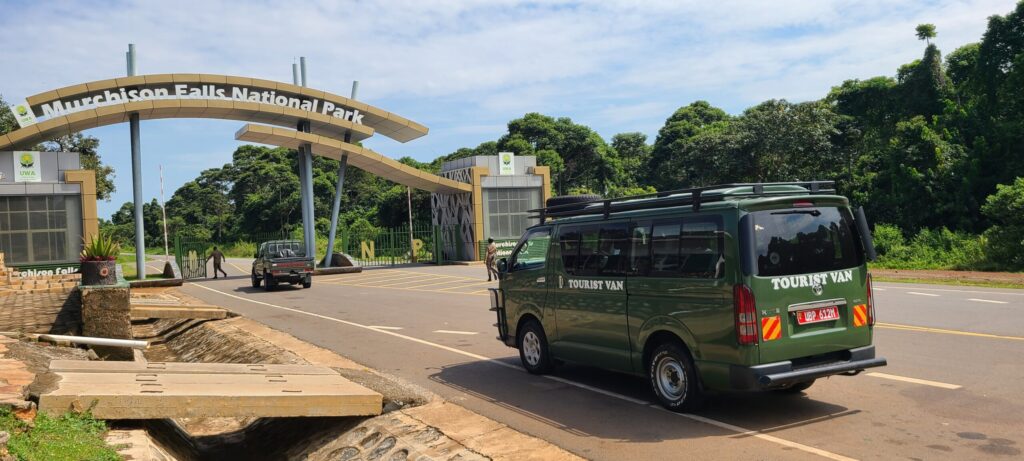
- Bwindi Impenetrable National Park: USD 40 per person per day
- Queen Elizabeth National Park: USD 40 per person per day
- Kibale National Park: USD 40 per person per day (plus USD 150 per person for chimpanzee tracking)
- Murchison Falls National Park: USD 40 per person per day
- Mgahinga Gorilla National Park: USD 40 per person per day (gorilla permit is separate at USD 800)
- Lake Mburo National Park: USD 40 per person per day
- Rwenzori Mountains National Park: USD 40 per person per day (plus trekking fees)
Park entry fees are paid per person per day spent inside the park. On a typical 7 to 10 day safari covering two or three parks, budget approximately USD 120 – USD 200 per person in park entry fees in addition to your gorilla permit.
Additional Activity Costs in Uganda
Beyond gorilla trekking, Uganda offers a remarkable range of wildlife and adventure activities, each with its own fee structure:
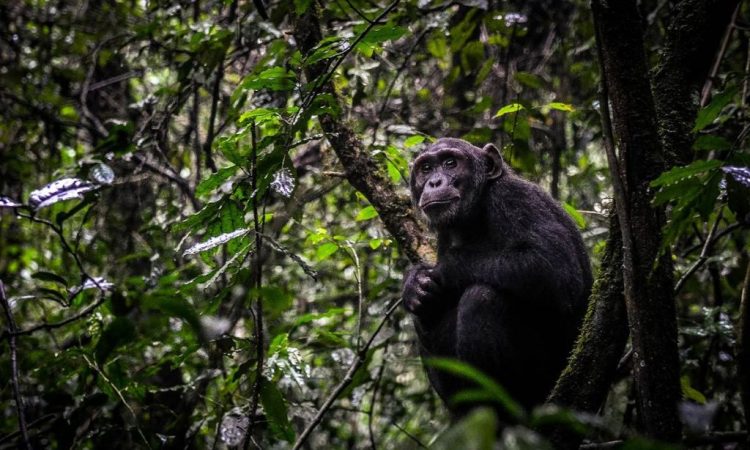
Chimpanzee Tracking — Kibale National Park USD 150 per person. Kibale is home to the highest concentration of primates in Africa and offers the best chimpanzee tracking experience on the continent. A half-day chimpanzee tracking permit grants you one hour with a habituated chimpanzee community.
Chimpanzee Habituation Experience (CHEX) — Kibale USD 250 per person. A full-day experience accompanying researchers as they habituate wild chimpanzees, spending up to 6 hours with the animals rather than the standard one hour.
Golden Monkey Trekking — Mgahinga USD 60 per person. A wonderful and often overlooked experience tracking the rare and spectacularly colourful golden monkeys of the Virunga highlands.
Gorilla Habituation Experience — Bwindi (Rushaga) USD 1,500 per person. An extraordinary full-day experience accompanying park researchers as they work with a gorilla family during the habituation process. You spend up to 4 hours with the gorillas — four times longer than a standard trek — making this the most immersive gorilla experience available anywhere in the world.
Game Drives — Queen Elizabeth National Park USD 30 – USD 50 per vehicle per drive. Game drives in Queen Elizabeth offer excellent wildlife viewing including elephants, buffalo, hippos, leopards, lions, and over 600 bird species.
Boat Safari — Kazinga Channel (Queen Elizabeth) USD 30 per person. A 2-hour boat cruise along the Kazinga Channel, one of the best wildlife boat safaris in Africa with exceptional hippo, crocodile, and elephant sightings from the water.
White-Water Rafting — Jinja (River Nile) USD 125 – USD 150 per person. A full day of Grade 4 and 5 rapids on the Nile near Jinja, widely regarded as one of the best white-water rafting experiences in the world.
Birding Guides — Various Parks USD 20 – USD 50 per half day. Uganda is one of Africa’s top birding destinations with over 1,060 recorded species. Specialist birding guides are available in most major parks and are exceptional value.
Community and Cultural Visits USD 10 – USD 30 per person. Cultural experiences including Batwa pygmy community visits near Bwindi, traditional dance performances, and village walks are available near most parks and offer meaningful insight into Uganda’s diverse communities.
Food and Drink Costs in Uganda
Food costs in Uganda vary enormously depending on where and how you eat.
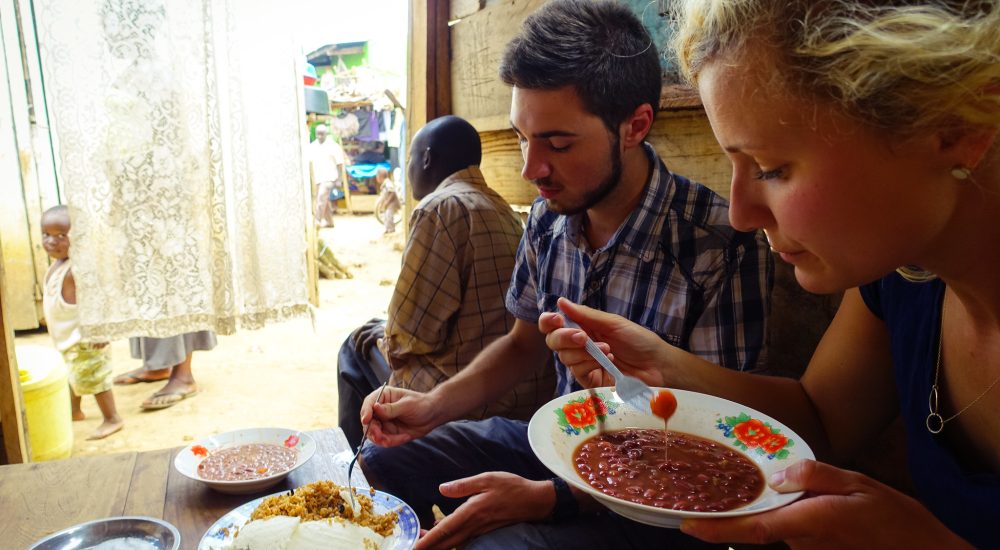
Eating at Local Restaurants and Markets A plate of local food — typically a generous serving of matoke (steamed plantain), beans, rice, groundnut stew, or roasted meat — at a local restaurant or market costs UGX 5,000 – UGX 15,000, equivalent to roughly USD 1.50 – USD 4.00. This is some of the best value food you will find anywhere in Africa — filling, fresh, and genuinely delicious.
A local Ugandan beer (Club, Nile Special, or Bell) at a local bar costs around UGX 3,000 – UGX 6,000 (USD 1 – USD 1.50). A soft drink costs less than USD 1.
Eating at Mid-Range Restaurants (Kampala and Entebbe) A meal at a decent mid-range restaurant in Kampala — pasta, grilled fish, a burger, or a decent Indian or Chinese meal — costs approximately USD 8 – USD 20 per person including a drink. Kampala has a genuinely good restaurant scene, particularly around the Kololo and Nakasero neighbourhoods.
Eating at Safari Lodges Most safari lodges near Bwindi and other national parks operate on a full-board or all-inclusive basis, meaning all meals are included in your nightly rate. Where lodge meals are not included, expect to pay USD 15 – USD 25 for breakfast, USD 20 – USD 35 for lunch, and USD 30 – USD 50 for a three-course dinner.
Bottled Water Budget approximately USD 0.50 – USD 1.50 per 1.5-litre bottle. Most lodges provide complimentary drinking water.
Tipping in Uganda
Tipping is not mandatory in Uganda but is warmly appreciated and forms an important part of income for many people working in the tourism sector. Here are general tipping guidelines:
- Gorilla trek ranger/guide: USD 10 – USD 20 per person
- Porter (hired at the park gate): USD 5 – USD 15 per person
- Safari driver-guide: USD 10 – USD 20 per person per day
- Lodge staff (per stay): USD 10 – USD 30 per couple left at the end of your stay
- Restaurant service: 10% of the bill is a generous and appreciated tip
- Boda boda rider: rounding up the fare is sufficient
Total tipping budget for a 7-day safari: approximately USD 100 – USD 200 per couple, depending on the number of guides and staff encountered.
Uganda Travel Insurance Costs
Travel insurance for Uganda is not optional in our view — it is essential. Medical facilities near Bwindi and other remote parks are very limited, and medical evacuation to Kampala or Nairobi in an emergency can cost tens of thousands of dollars without coverage.
A comprehensive travel insurance policy covering medical evacuation, trip cancellation, and personal belongings for a 2-week Uganda safari typically costs:
- USD 80 – USD 200 per person for most nationalities depending on age and coverage level
Look specifically for a policy that includes emergency medical evacuation and covers adventurous activities including hiking and wildlife safaris. Companies such as World Nomads, Allianz, and AIG Travel are commonly used by safari visitors.
Sample Uganda Safari Budgets
To put all of the above together, here are three realistic total budget examples for a 7-day Uganda gorilla trekking safari for one person, excluding international flights:
Budget Safari — approximately USD 1,500 – USD 2,200 per person
- Gorilla permit: USD 800
- Budget accommodation (6 nights at USD 40–60 per night): USD 240 – USD 360
- Shared or budget transport: USD 150 – USD 250
- Park entry fees (2 parks): USD 80
- Meals and daily expenses: USD 100 – USD 150
- Tips and miscellaneous: USD 80 – USD 100
This budget gets you the gorilla experience and basics comfortably covered. Accommodation will be simple but clean, and meals will be largely at lodge or local restaurant level.
Mid-Range Safari — approximately USD 3,000 – USD 4,500 per person
- Gorilla permit: USD 800
- Mid-range accommodation (6 nights at USD 150–250 per night, full board): USD 900 – USD 1,500
- Private 4WD transfer and driver-guide: USD 400 – USD 600
- Park entry fees (2–3 parks): USD 120 – USD 200
- Additional activities (chimp tracking, boat safari): USD 200 – USD 250
- Tips and miscellaneous: USD 150 – USD 200
This is the sweet spot for most gorilla trekking visitors — comfortable lodges, private transport, and a well-rounded itinerary that includes activities beyond gorilla trekking.
Luxury Safari — approximately USD 6,000 – USD 12,000+ per person
- Gorilla permit: USD 800
- Luxury lodge accommodation (6 nights at USD 600–1,500 per night, all-inclusive): USD 3,600 – USD 9,000
- Private 4WD transfer or internal charter flights: USD 500 – USD 1,200
- Gorilla habituation experience (optional upgrade): USD 1,500
- Additional premium activities: USD 300 – USD 500
- Tips and miscellaneous: USD 200 – USD 400
At this level, expect impeccable lodges with forest views, gourmet dining, personalised guiding, and seamless logistics from the moment you land at Entebbe to the moment you depart.
Is Uganda an Expensive Country to Travel?
Outside of the gorilla permit, Uganda is genuinely affordable by international standards — particularly compared to Kenya, Tanzania, or South Africa. Daily living costs in Kampala are low, local food is exceptional value, and many experiences that would cost a premium in other African countries — boat safaris, community visits, primate tracking — are available at very reasonable prices.
The perceived expense of a Uganda safari is almost entirely driven by the gorilla permit fee. Remove that from the equation and Uganda competes with the most affordable safari destinations in Africa.
For travellers who have already committed to the gorilla experience — and that should be all of you — the USD 800 permit cost is not extravagant. It is the price of access to one of the rarest and most extraordinary wildlife encounters on earth, and it supports the survival of a species that shares 98.3% of its DNA with us.
That, by any measure, is money well spent.
Why Book Your Uganda Safari with Uganda Gorilla Tours?
At Uganda Gorilla Tours, we build complete, transparent safari packages that cover every cost from gorilla permit to airport transfer. No hidden fees, no surprise extras on arrival, no confusion about what is and is not included.
Our team has deep expertise in building Uganda safaris across every budget — from carefully managed mid-range itineraries to ultra-luxury bespoke experiences. We know which lodges offer the best value at each price point, which routes save time without sacrificing scenery, and how to build an itinerary that maximises every day of your time in Uganda.
Contact us today with your budget, travel dates, and the experiences you are dreaming of, and we will design a Uganda gorilla safari that exceeds your expectations at every level.
Start planning your Uganda safari today.
📧 info@ugandagorillatours.com 📞 +256-700135510
U