
Kigali, Rwanda’s clean and orderly capital, has become one of the most popular gateways for one of the most extraordinary wildlife experiences on Earth: mountain gorilla trekking in Volcanoes National Park. For many travelers, the journey begins the moment they land at Kigali International Airport, and within a few hours, they’re winding through tea plantations and terraced hillsides toward the misty slopes where mountain gorillas live. This guide covers everything you need to know about planning a gorilla trekking trip from Kigali — from logistics and permits to what the trek itself actually involves.
Why Kigali Is the Best Base for Gorilla Trekking
Volcanoes National Park, home to Rwanda’s population of mountain gorillas, sits near the town of Musanze (formerly Ruhengeri) in the Northern Province. Kigali is roughly 100–116 km away, making it the natural starting point for almost every gorilla trekking itinerary in Rwanda.
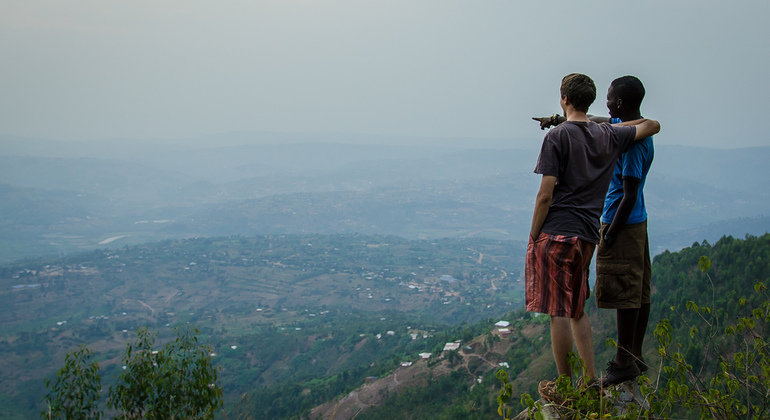
Compared to trekking from Uganda’s Bwindi Impenetrable Forest or the Democratic Republic of Congo’s Virunga National Park, Rwanda offers shorter travel times, better road infrastructure, and a more streamlined permit system — all of which make Kigali an efficient and comfortable base for this bucket-list experience.
Planning Your Trip: Permits and Timing
Gorilla Permits
A gorilla trekking permit is required to enter Volcanoes National Park, and demand far exceeds supply, so booking well in advance — often 6 to 12 months ahead, especially for peak season — is essential. Permits are issued by the Rwanda Development Board and limit the number of visitors per gorilla family per day to minimize stress on the animals.
Each permit allows one hour with a habituated gorilla family, accompanied by armed rangers and experienced trackers. Group sizes are capped at eight visitors per gorilla family, which keeps the experience intimate and reduces environmental impact.
Best Time to Go
Gorilla trekking happens year-round, but conditions vary:
- June to September and December to February are the driest months, making trails easier to navigate.
- March to May and October to November are wetter, with muddier trails, but fewer crowds and lush, vivid scenery.
Since gorillas live in dense rainforest at altitude, rain is always a possibility regardless of season, so proper gear matters more than perfect timing.
Getting from Kigali to Volcanoes National Park
The drive from Kigali to Musanze, the closest town to the park, takes approximately 2 to 3 hours depending on traffic and road conditions. The route itself is part of the experience — winding roads pass through Rwanda’s famous “thousand hills,” dotted with banana plantations, tea estates, and small villages.
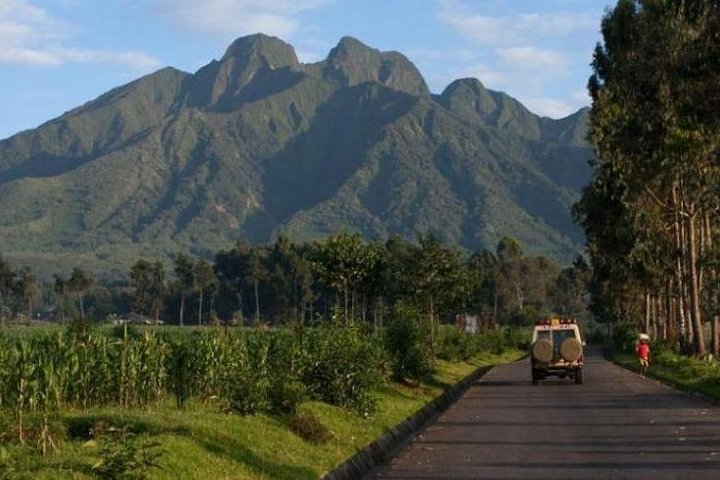
Most travelers arrange one of the following:
- Private transfer or guided tour — the most common option, offering comfort and flexibility with door-to-door service from a Kigali hotel.
- Self-drive — feasible given Rwanda’s well-maintained main roads, though most visitors prefer a driver given early trekking start times.
- Public minibus (matatu) — the budget option, running between Kigali and Musanze, though it requires additional arrangements for the final stretch to the park headquarters.
Many visitors choose to overnight in or near Musanze the evening before their trek, since check-in at the park headquarters typically begins around 7:00 AM.
What to Expect on Trekking Day
Trekking day starts early. Visitors gather at Kinigi Park Headquarters near Volcanoes National Park before dawn for registration, a briefing from park rangers, and assignment to one of the ten habituated gorilla families currently open for tourism.
After the briefing, you’ll be driven to your trailhead starting point, which varies depending on which gorilla family you’ve been assigned. From there, the actual trek begins — and this is where things get unpredictable.
Trek Duration and Difficulty
Trek times vary enormously, from 30 minutes to over 6 hours, depending on where the gorilla family happens to be that day. Trackers head out ahead of tourist groups each morning to locate the gorillas, so by the time you set off, rangers usually have a good idea of the route. Terrain includes steep volcanic slopes, dense vegetation, mud, and occasionally stinging nettles — sturdy hiking boots, gardening gloves, and long sleeves are highly recommended.
The Encounter
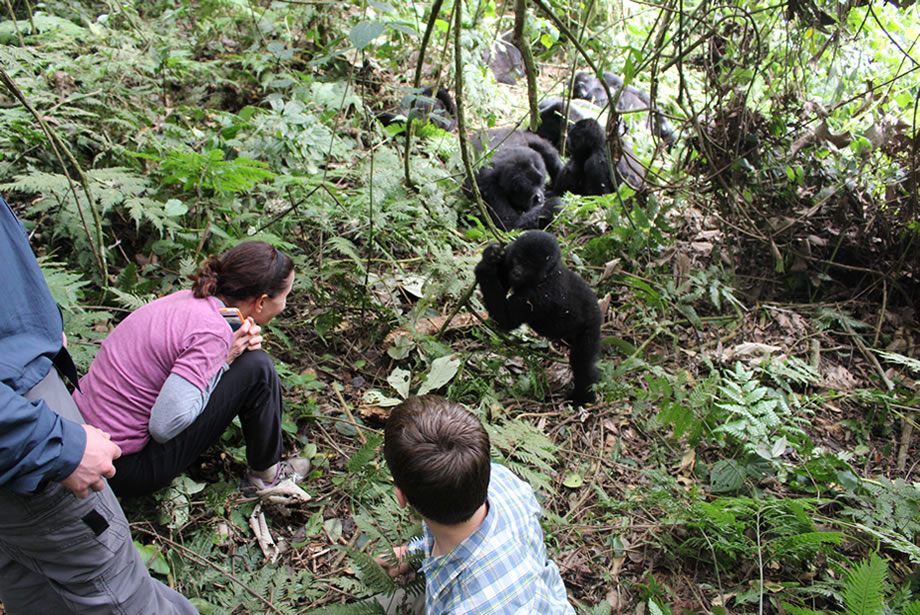
Once your group locates the gorilla family, you’ll have exactly one hour in their presence. This part of the experience is often described as life-changing. Watching a 200-kilogram silverback move calmly through the undergrowth, or seeing juvenile gorillas play just meters away, offers a rare, humbling glimpse into the lives of one of our closest living relatives. Rangers maintain a respectful distance protocol (typically 7 meters) to protect both visitors and gorillas from disease transmission and stress.
Packing Tips for Gorilla Trekking
- Waterproof hiking boots with good ankle support
- Gardening gloves for gripping vegetation on steep sections
- Long-sleeved shirts and trousers to protect against nettles and insects
- Rain jacket, even in dry season
- Daypack with water, snacks, and a dry bag for your camera
- Trekking poles (often available for hire at park headquarters)
- Insect repellent and sunscreen
Porters can be hired at the trailhead to carry daypacks and assist on steep terrain — a worthwhile option for less experienced hikers, and a meaningful way to support the local community.
Combining Gorilla Trekking with Other Kigali Experiences
Since most travelers fly into Kigali, it’s worth allocating time before or after your trek to explore the city itself. The Kigali Genocide Memorial offers a moving and important historical perspective on Rwanda’s history, while neighborhoods like Kimihurura and Nyamirambo offer excellent dining, art galleries, and local markets. Many travelers also combine a Volcanoes National Park visit with golden monkey trekking, a Batwa cultural village visit, or a hike up one of the region’s volcanoes, such as Mount Bisoke.
Final Thoughts
Gorilla trekking from Kigali combines logistical ease with one of the most profound wildlife encounters available anywhere in the world. With advance planning — securing your permit early, allowing time for the scenic drive to Musanze, and packing appropriately for the terrain — travelers can expect a smooth, well-organized experience from the moment they land in Kigali to the moment they’re standing meters away from a wild mountain gorilla family in the misty forests of Volcanoes National Park. Few wildlife experiences anywhere compare to it, and for most visitors, it remains the highlight of their entire trip to Rwanda.
Planning to do a gorilla trekking safari in Rwanda starting from Kigali city- simply contact us now by sending an email to info@ugandagorillatours.com or call +256-700135510.