
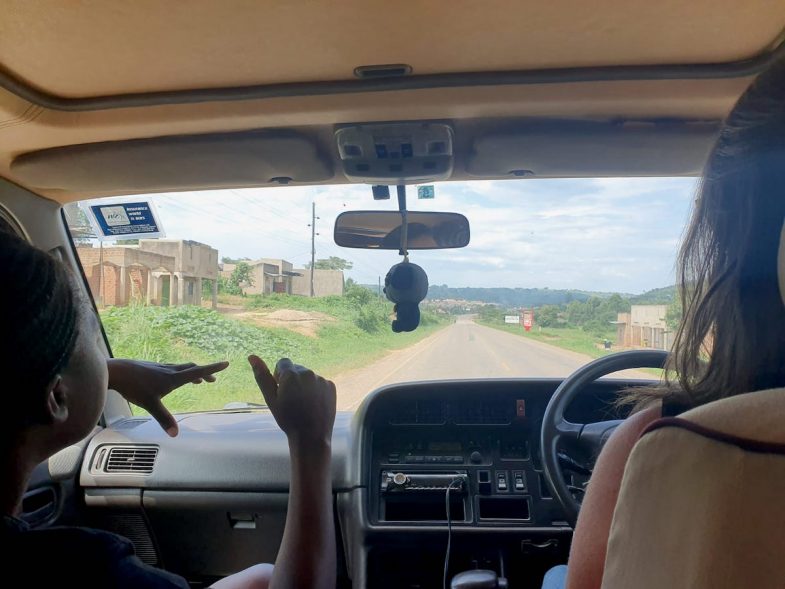
If you’re planning a safari in Uganda, at some point the question comes up: should you rent a car yourself, or let someone else do the driving? For many travellers, a self-drive adventure sounds appealing — freedom to stop wherever you like, no fixed schedule, total control over the itinerary. But Uganda’s roads, park rules, and vehicle requirements are different enough from what most international visitors are used to that a little homework up front makes a real difference to how the trip actually goes.
Here’s what to know before you commit to a Uganda car rental for your next self drive or driver-guided safari adventure.
Why a 4×4 Isn’t Optional for Most Safari Routes
Uganda’s national parks are not connected by highways. Once you leave Kampala or Entebbe and head toward Bwindi, Queen Elizabeth, Murchison Falls, or Kidepo, you’re on a mix of tarmac and murram (dirt) roads — and murram roads change character completely depending on the season. In the dry months they’re dusty but manageable; after rain, sections can turn to thick mud, deep ruts, and standing water almost overnight.
A standard sedan or low-clearance SUV simply isn’t built for this. A proper 4×4 with good ground clearance is what gets you through steep, rutted sections near Bwindi’s forest edge or the black cotton soil roads around Queen Elizabeth National Park without getting stuck. This isn’t a luxury upgrade — for most safari routes, it’s the difference between arriving on schedule and calling for a tow.
Self-Drive or Driver-Guided: Know the Real Trade-Offs
Uganda car rental companies typically offer two options, and the right one depends less on budget than on how comfortable you are navigating unfamiliar roads.
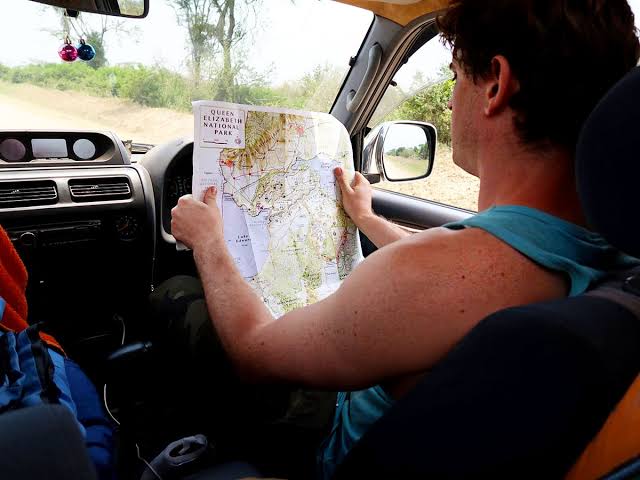
Self-drive gives you full control of your pace and route. It suits confident drivers who are comfortable with manual transmissions, unmarked junctions, and sharing the road with boda-bodas (motorcycle taxis), livestock, and pedestrians — all common outside major towns. Navigation apps have patchy reliability once you’re deep in rural areas, so a physical map or offline GPS is essential, not optional.
Driver-guided rental puts an experienced local driver behind the wheel of the same 4×4 fleet. Beyond simply handling the roads, a good driver-guide knows which park gates are quickest, where fuel stations actually exist between towns, and can double as a source of local knowledge on wildlife, culture, and history along the way. For a first visit to Uganda, or for travellers without off-road driving experience, this option removes most of the risk without giving up the flexibility of having your own vehicle for the day.
What You’ll Need to Rent a Car in Uganda
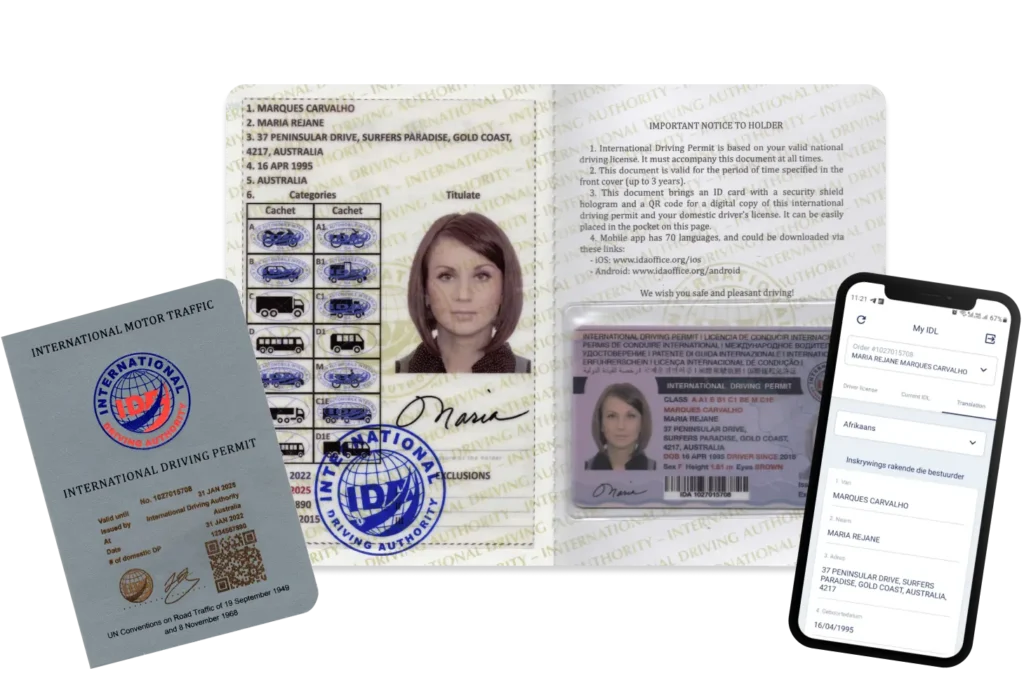
- A valid driving license. Most rental companies accept your home country’s license alongside an International Driving Permit (IDP) — check requirements with your rental provider before you travel, since this varies by company and nationality.
- A refundable security deposit, typically held on a card and released after the vehicle is returned undamaged.
- Comprehensive insurance, ideally including cover for off-road driving conditions — standard city-rental insurance policies often exclude the rougher roads safari routes require.
- A minimum age requirement, usually 23–25 years old, depending on the rental company.
Fuel, Distances, and Planning Your Route
Fuel stations thin out considerably once you’re away from major towns, so it’s standard practice to fill up fully whenever you pass a station, rather than waiting until the tank runs low. Distances between parks are also longer than they look on a map — Kampala to Bwindi, for example, is roughly 8–9 hours by road, and this timing barely changes whether you’re driving yourself or being driven, since road conditions are the limiting factor rather than driver skill.

Build buffer time into any self-drive itinerary. Reaching a lodge after dark on unlit rural roads is best avoided altogether, so plan driving days to end with daylight to spare.
Matching the Vehicle to Your Trip
Not every safari calls for the same rental vehicle:
- A 4×4 with a pop-up roof is the standard choice for game drives, giving you standing height for photography and wildlife viewing without leaving the vehicle.
- A larger 4×4 or extended Land Cruiser suits families or small groups who need more seating and luggage space across a multi-day itinerary.
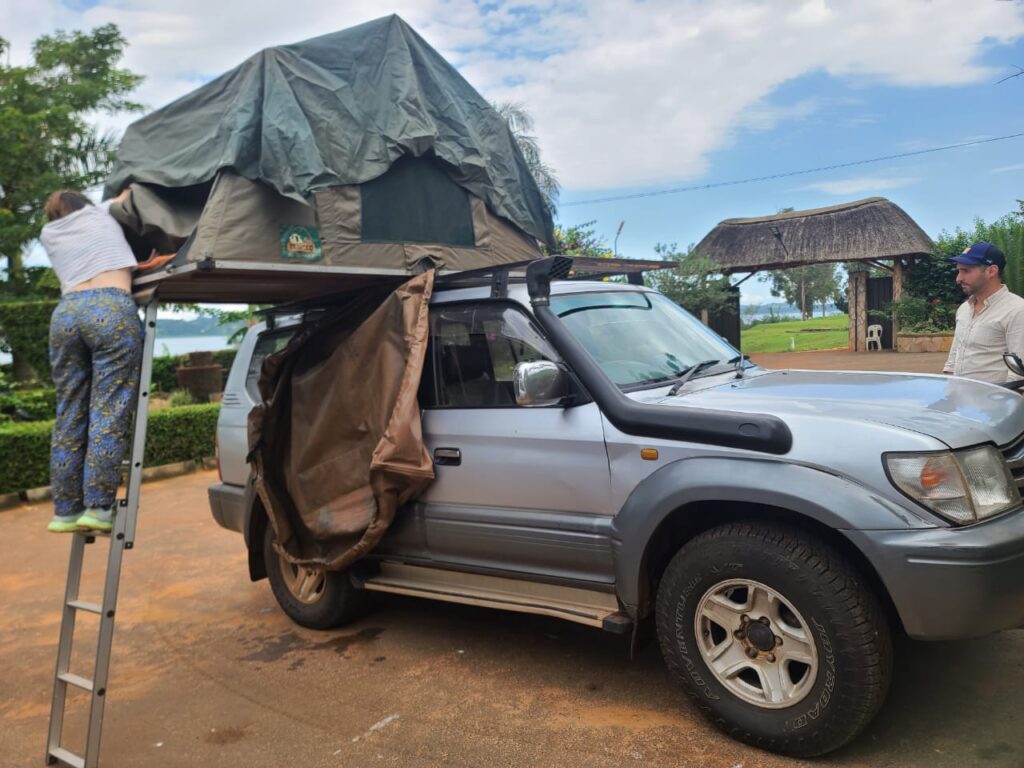
- A rooftop tent 4×4 is worth considering if part of your trip involves camping inside or near the parks, combining transport and accommodation in one vehicle.
- A sedan or standard SUV is fine only for Kampala city driving or short paved-road trips — not for park routes.
Should You Rent Through a Car Rental Company or a Tour Operator?
Independent car rental companies focus purely on the vehicle. A tour operator that also runs a rental fleet — as many gorilla trekking and safari companies in Uganda do — often has an added advantage: their vehicles are maintained specifically for park roads, and their drivers (if you choose the guided option) already know the routes to Bwindi, Queen Elizabeth, and other parks from running safaris themselves, rather than general city driving experience. If your trip includes any national park visits, it’s worth asking directly whether a rental company’s fleet and drivers have specific safari-route experience, not just general driving credentials.
The Bottom Line
A Uganda car rental can absolutely work well for a self-drive safari, provided you go in prepared: the right 4×4, the correct documentation, realistic route timing, and an honest assessment of your own comfort with rural, unmarked roads. If any of that gives you pause, a driver-guided rental gets you the same freedom and vehicle without the learning curve — and either way, choosing a well-maintained 4×4 built for the terrain matters more than almost any other decision in the booking process.
If you’re ready to compare options, see the full range of self-drive and driver-guided rental vehicles available for your Uganda safari, from safari vans to rooftop-tent Land Cruisers. You can contact us now by sending an email to info@ugandagorillatours.com or call +256-700135510.