
Planning your gorilla safari adventure in Uganda? Our gorilla trekking FAQs provide clear and helpful answers to the most common questions travelers have before visiting the mountain gorillas. From gorilla permit costs and booking procedures to the best time to trek, what to pack, fitness requirements, accommodation, transportation, trekking rules, and what to expect on the day of your trek, we’ve got you covered. At Mumwe Safaris, we aim to make your gorilla trekking experience safe, smooth, memorable, and well-organized, helping you prepare with confidence for an unforgettable encounter with Uganda’s incredible mountain gorillas.
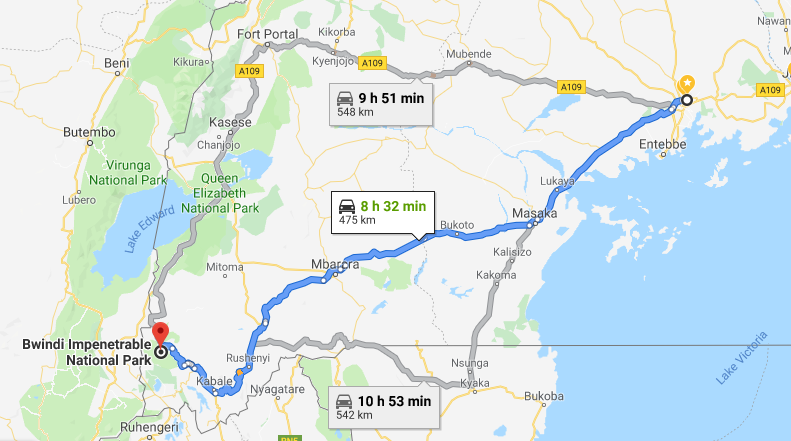
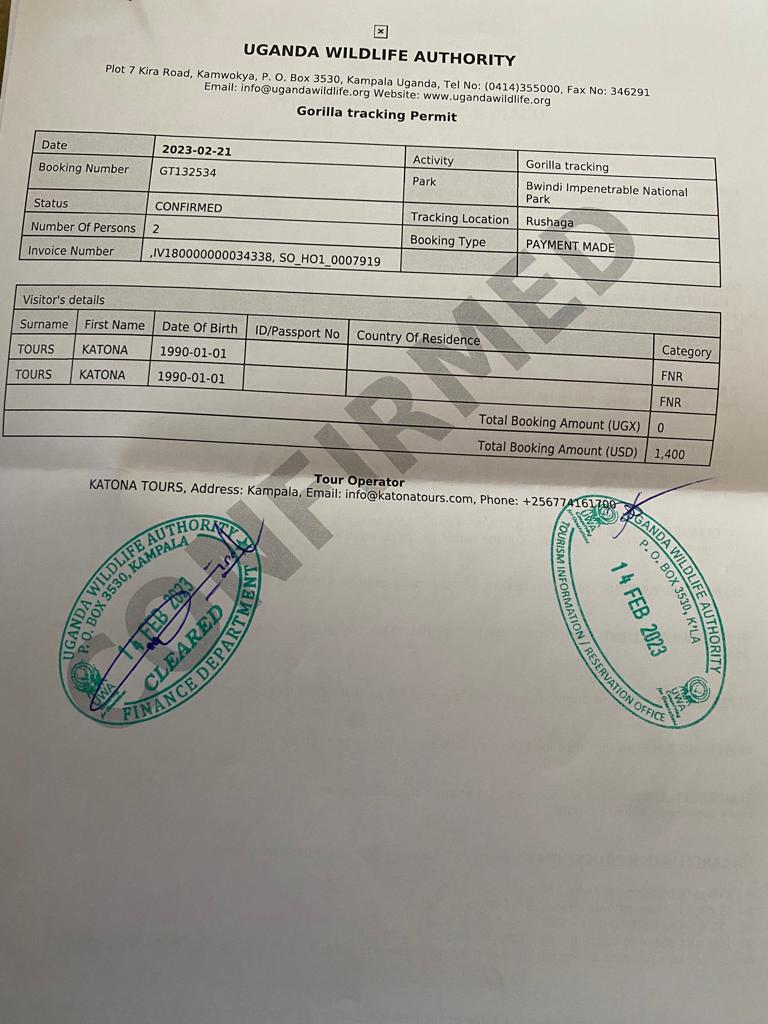
A gorilla trekking permit in Uganda currently costs USD 800 per person for foreign non-residents. The permit allows you to trek in Bwindi Impenetrable National Park or Mgahinga Gorilla National Park and spend up to one hour observing a habituated gorilla family. Permit prices are set by the Uganda Wildlife Authority (UWA), not by individual tour operators. Uganda Gorilla Tours can assist with securing your gorilla permit and arranging the accommodation, transportation, guides and other services needed for your safari.
We recommend booking your gorilla safari at least 3–6 months in advance, particularly if you want to travel during the popular dry seasons or have specific trekking dates and accommodation preferences.
Gorilla permits are limited and popular dates can fill quickly. Booking early allows us to secure your preferred trekking date and plan the rest of your itinerary around it
Yes. Kigali is an excellent starting point for travelers who want to trek gorillas in southwestern Uganda.
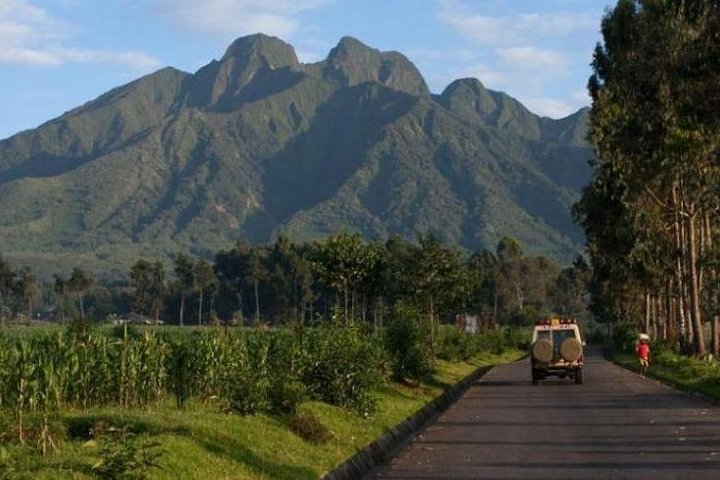
We organize gorilla safaris from Kigali to destinations including Bwindi and Mgahinga. A short 2-day gorilla safari from Kigali can be an excellent option for travelers with limited time, while longer itineraries allow you to combine gorilla trekking with other attractions in Uganda.
Gorilla trekking requires a reasonable level of fitness because the trek takes place in mountainous rainforest with steep, uneven and sometimes muddy trails.
The trek can take anywhere from around 2 to 7 hours, depending on where the gorilla family is located and how far you need to walk to find them. Once you reach the gorillas, you normally spend up to one hour observing them.
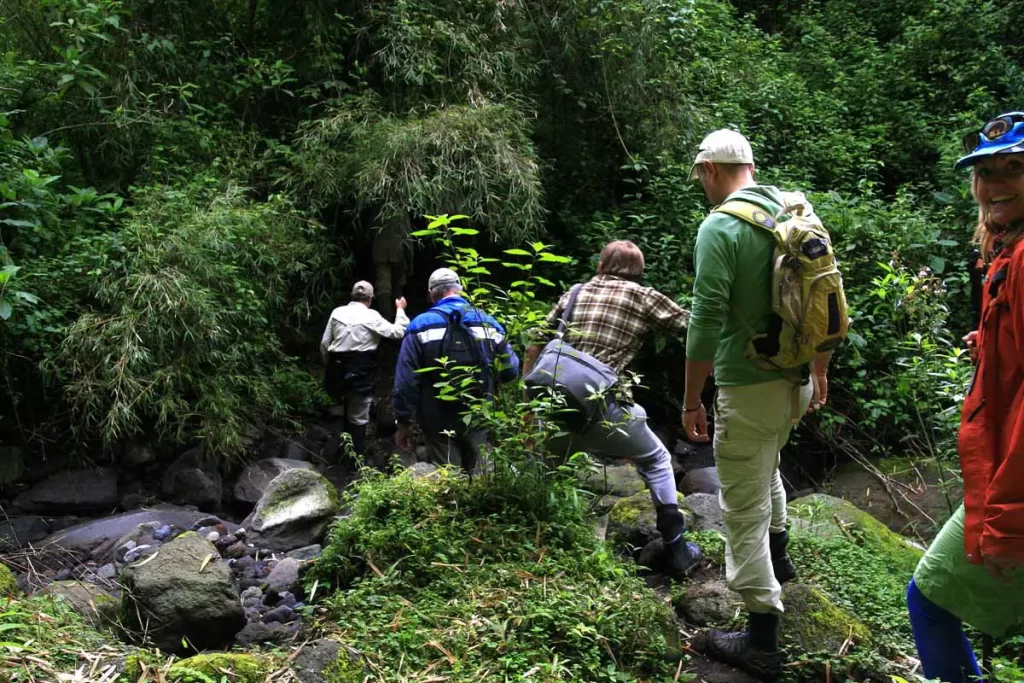
Travelers who are concerned about the physical demands can hire a porter to assist with carrying their belongings and provide support along the trail.
Our Uganda gorilla safari packages can be customized according to your travel dates, interests and budget. Depending on the package, services can include:
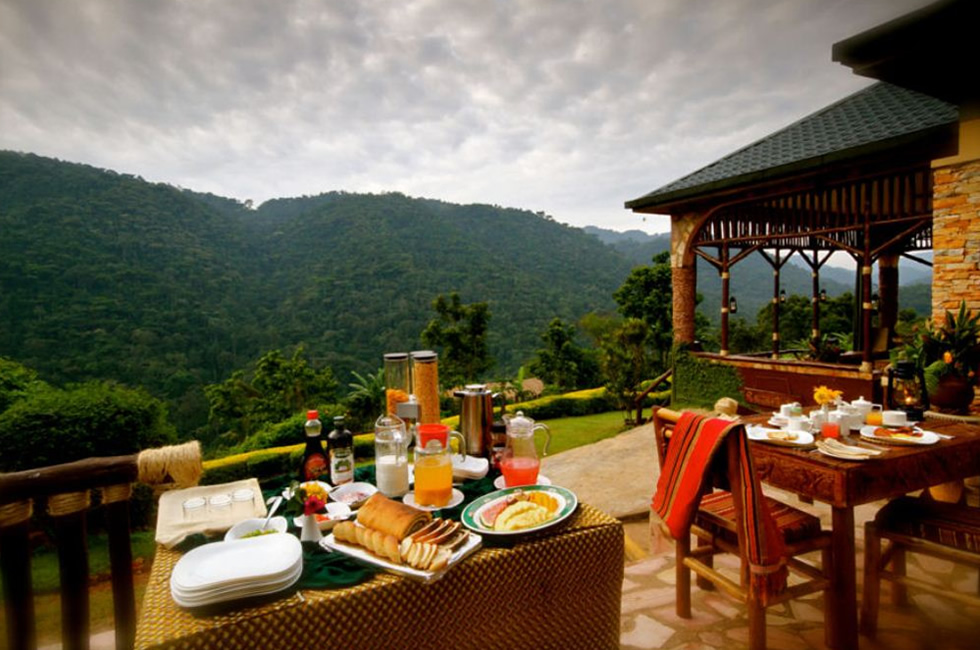
- Gorilla permit booking assistance
- Private 4×4 safari transportation
- Accommodation
- Experienced local guides
- Airport transfers
- Meals
- Park-related fees
- Additional activities such as chimpanzee trekking and wildlife safaris
We can tailor your itinerary to include exactly the services and experiences you need.
Gorilla trekking is available throughout the year. However, the drier periods of June to September and December to February are generally preferred because forest trails tend to be easier to navigate.
The wetter months can also be rewarding, particularly for travelers who don’t mind muddy trails and occasional rain. The forest is especially lush, and there may be fewer visitors.
The minimum age for gorilla trekking in Uganda is 15 years. This is a Uganda Wildlife Authority requirement.
Parents traveling with teenagers should ensure they meet the age requirement before booking their gorilla permit.
The length of the trek varies depending on the location and movement of the gorilla family assigned to your group. The trek can take several hours, with some encounters requiring a shorter walk and others involving a much longer hike through the forest. Uganda Wildlife Authority indicates that gorilla tracking can last approximately 2–7 hours, including the time spent trekking.
Once the gorillas are located, visitors are allowed up to one hour with the habituated family
We recommend packing practical clothing and equipment suitable for a cool, wet rainforest environment. Important items include:
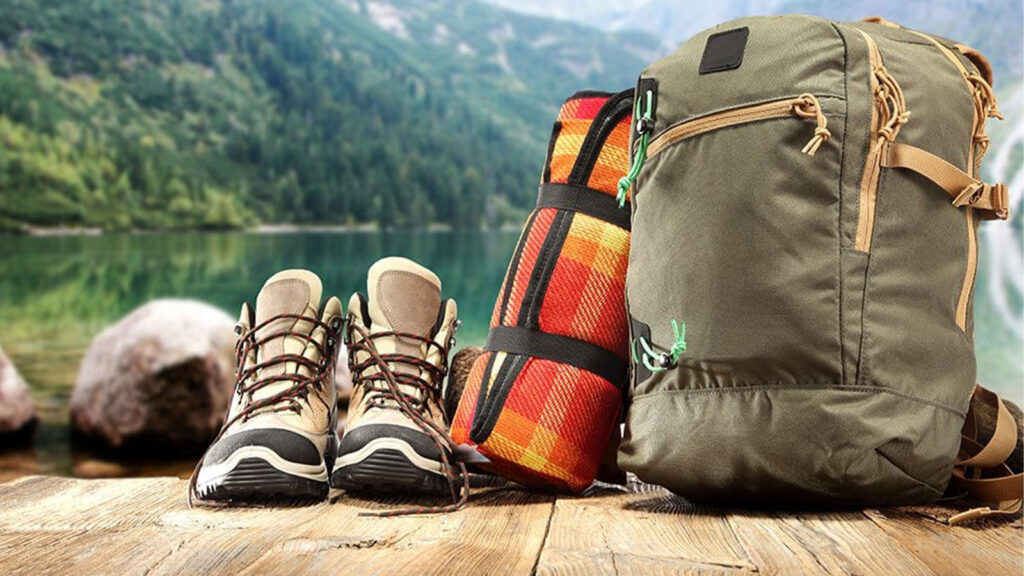
- Waterproof hiking boots
- Long trousers and long-sleeved clothing
- Rain jacket or poncho
- Gardening or trekking gloves
- Hat and sunscreen
- Insect repellent
- Reusable water bottle
- Snacks
- Camera and spare batteries
- Small backpack
Because Bwindi is a rainforest, rain is possible even during the drier months, so waterproof clothing is highly recommended.
Yes. Gorilla trekking is conducted under the guidance of trained park rangers and experienced guides. Mountain gorillas are wild animals, however, so visitors must follow the instructions given by their ranger and maintain the required distance.
Before entering the forest, trekkers receive a briefing covering gorilla behavior, safety procedures and responsible trekking practices.
Yes, photography is allowed during gorilla trekking, and you are welcome to bring a camera or smartphone.
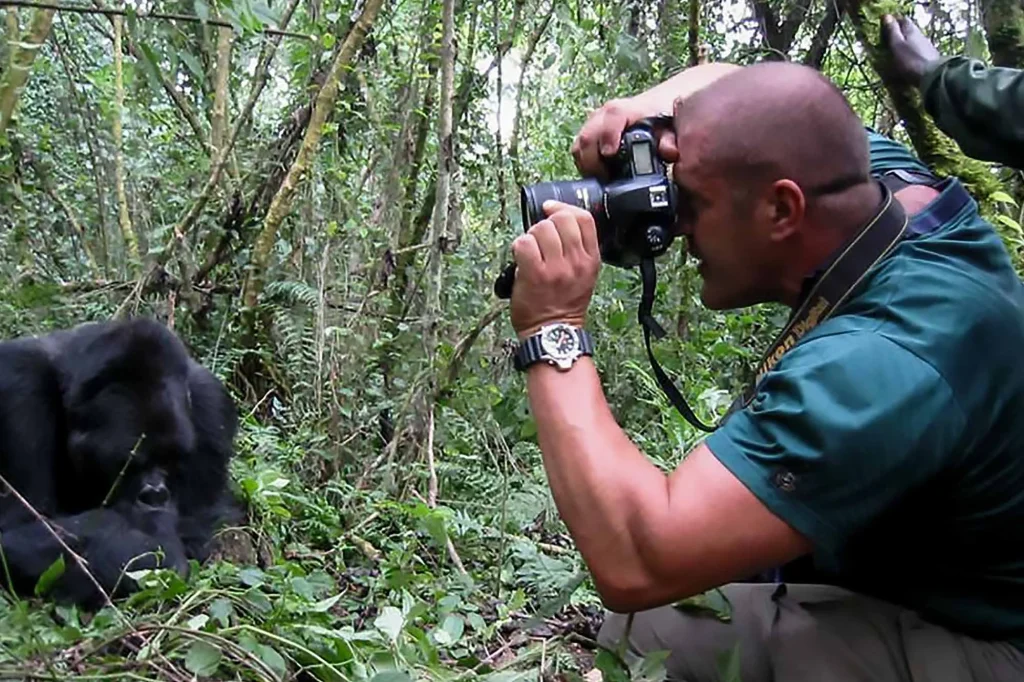
However, flash photography should not be used around the gorillas. A camera with good low-light performance is particularly useful because Bwindi’s rainforest can be quite dark beneath the forest canopy.
Remember that the encounter is about more than taking photographs, so take time to put the camera down and enjoy the experience
Absolutely. Gorilla trekking can be combined with some of Uganda’s most famous wildlife and primate destinations.
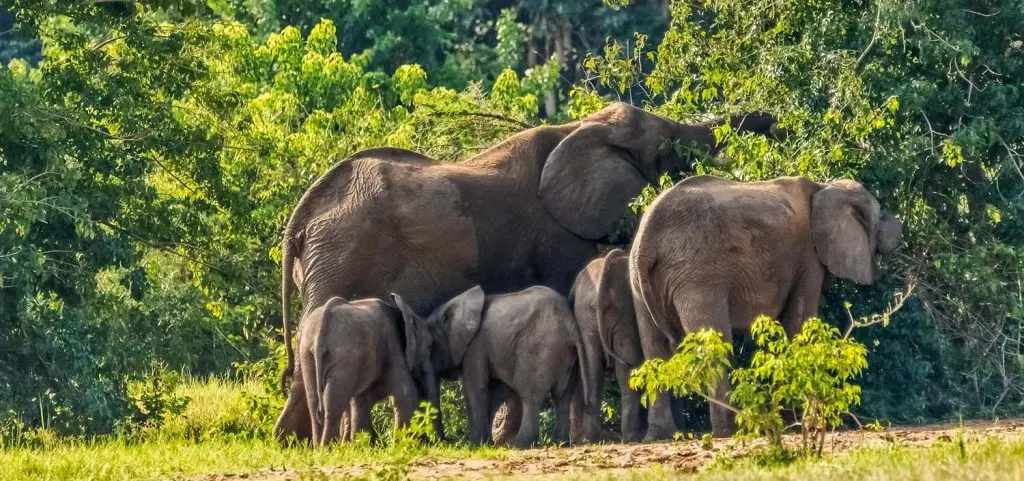
Depending on your available time, your itinerary can include chimpanzee trekking in Kibale Forest, wildlife viewing in Queen Elizabeth National Park, Murchison Falls National Park, cultural experiences and scenic areas of Uganda.
This is one of the best ways to turn a short gorilla trek into a complete Uganda safari experience.